
Australian Pipeline Upgrade Projects
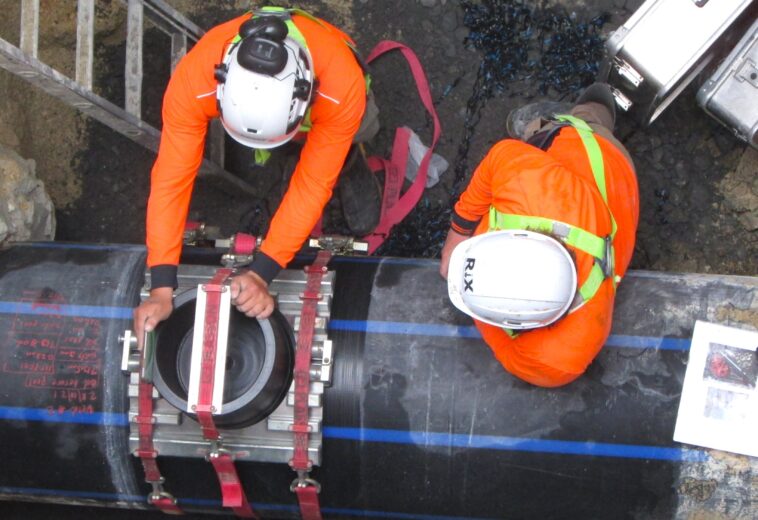
Our Watermain Renewal WaveThe Big Infrastructure Upgrade Beneath Our Feet Australia is entering a major new era of water infrastructure renewal—and much of the work is happening underground, largely unnoticed by the people who rely on these networks every day. Across the country, water utilities and local councils are replacing ageing water mains, trunk infrastructure..
Read more- 0 Comment
Gas pipeline projects under construction
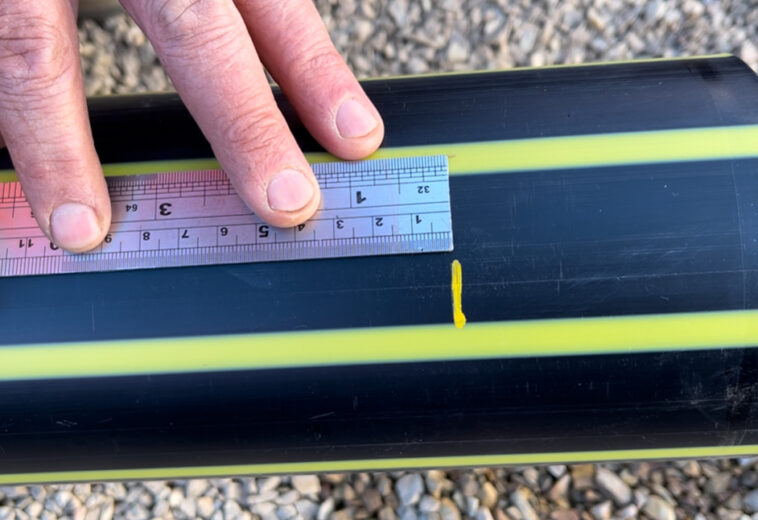
PIPELINE PROJECTS The infrastructure behind the energy we use every day. Australia’s gas transmission network is a vast piece of critical infrastructure, stretching around 42,000 kilometres across the country. These high-pressure pipelines transport natural gas from where it is produced to the outskirts of cities and towns across Australia. In fact, every molecule of natural..
Read more- 0 Comment
What is poly welding and who can do it?
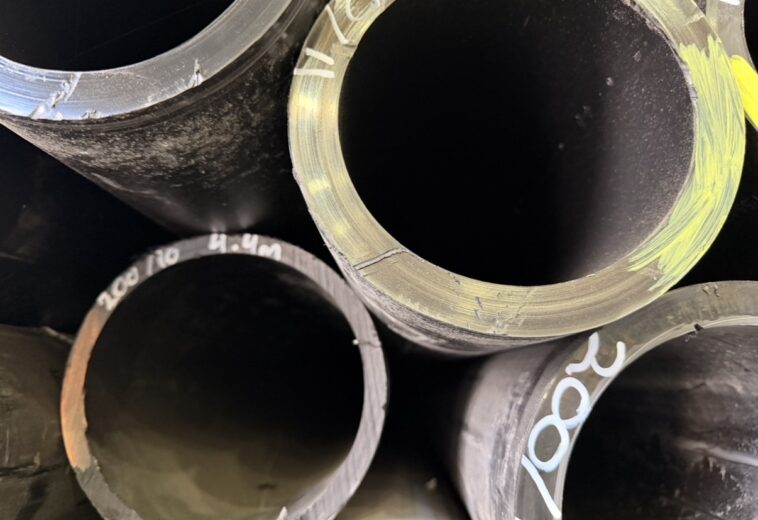
If you’re working with HDPE pipe, you’ve probably heard the terms like poly welding, pipe fusion and plastic pipe welding. They’re all describing the same basic idea: joining polyethylene pipe and fittings by using controlled heat to create a permanent bond. And when it’s done properly, the result is seriously impressive. No glue. No threaded..
Read more- 0 Comment
Do You Really Need to Peel PE Pipe Before Electrofusion Welding?
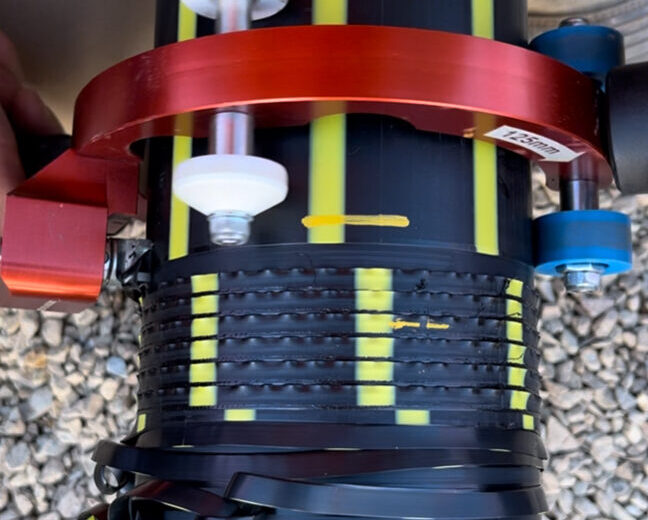
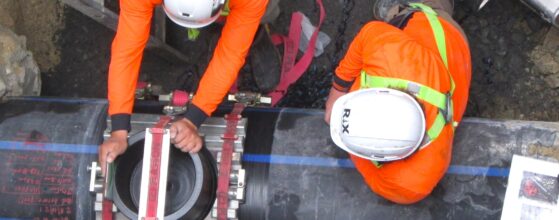
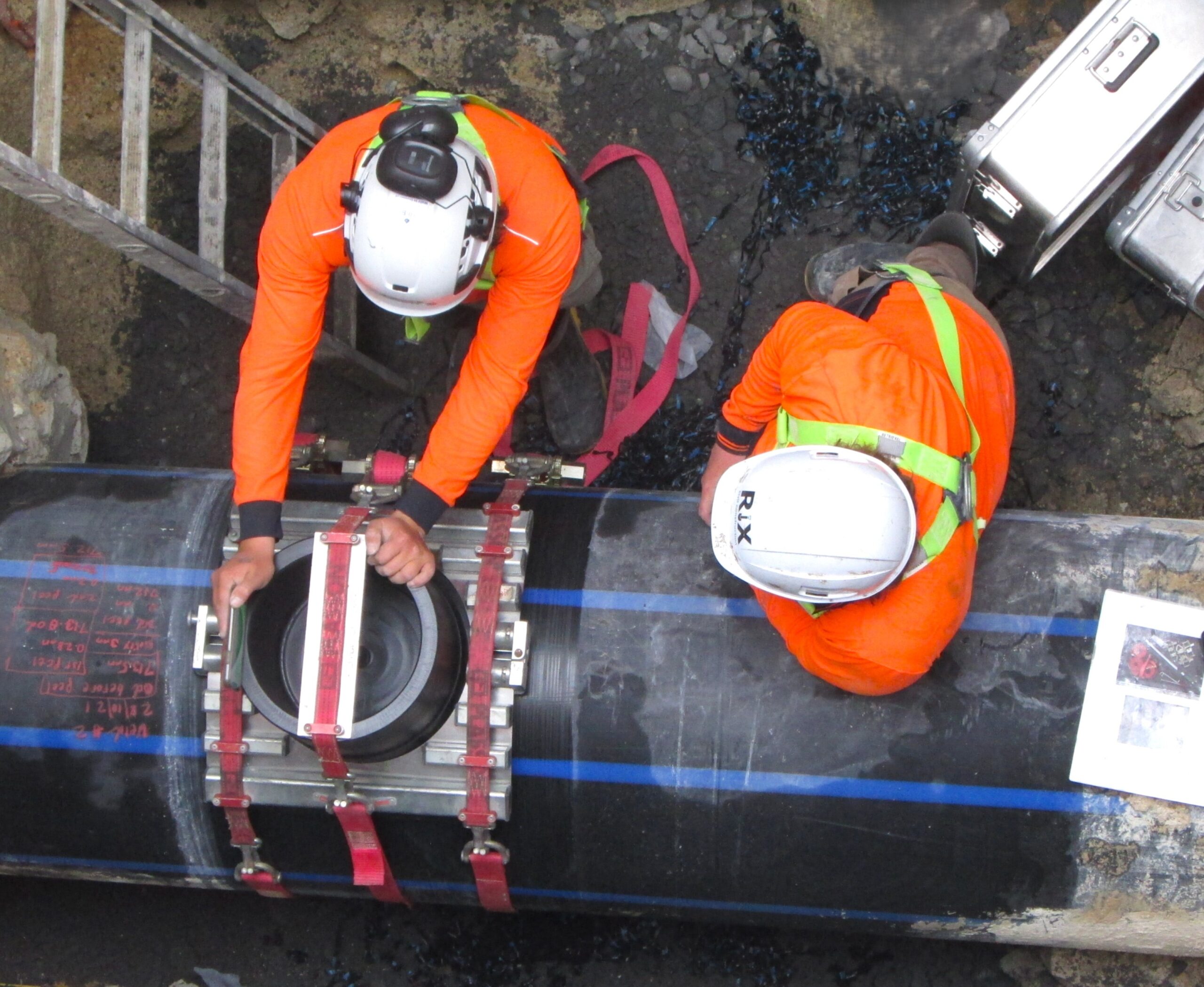
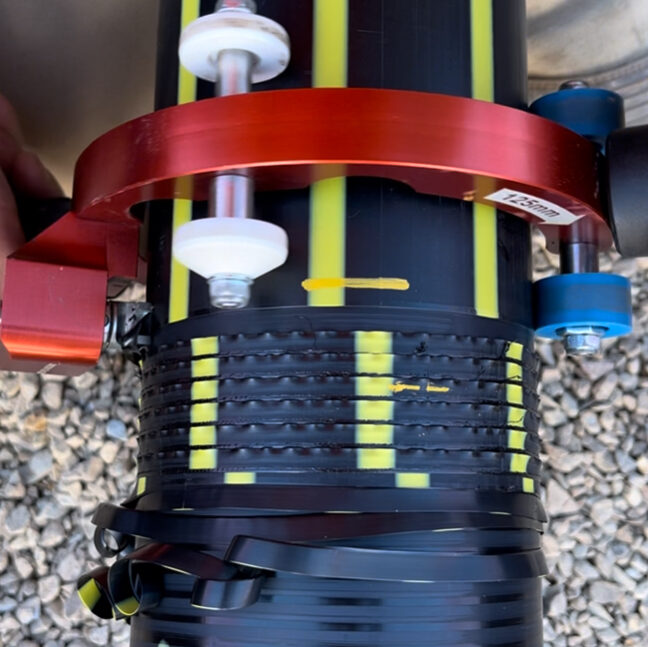
It’s one of the most common questions asked by plumbers and PE pipe installers. “Do I really need to peel the pipe before using an electrofusion fitting?” The short answer is yes. While it might seem like an extra step, peeling the pipe is one of the most important parts of the electrofusion welding process. Skipping..
Read more- 0 Comment
Why Proper Pipe Alignment Is Essential for Quality Poly Pipe Welding
When it comes to polyethylene (PE) pipe welding, it’s often the simple things that make the biggest difference. One of those is pipe alignment. Whether you’re carrying out butt welding or electrofusion welding, taking the time to correctly align the pipe before the weld is one of the easiest ways to improve the quality of the..
Read more- 0 Comment
Do You Really Need to Wipe PE Pipe Before Electrofusion Welding?
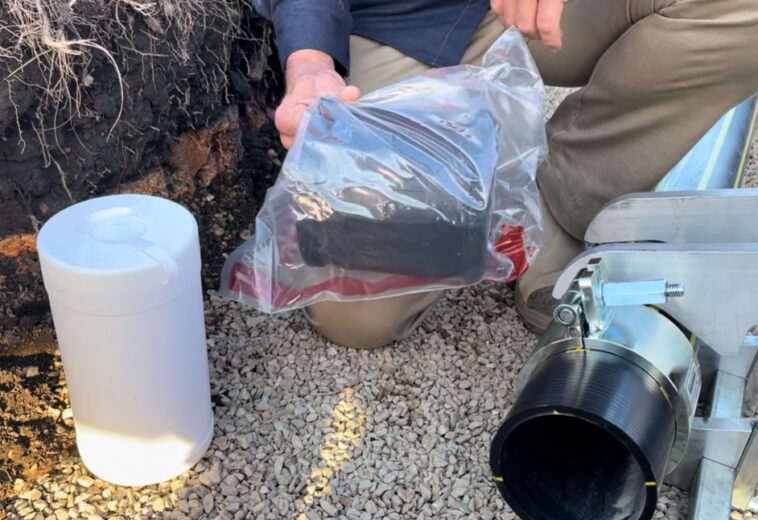
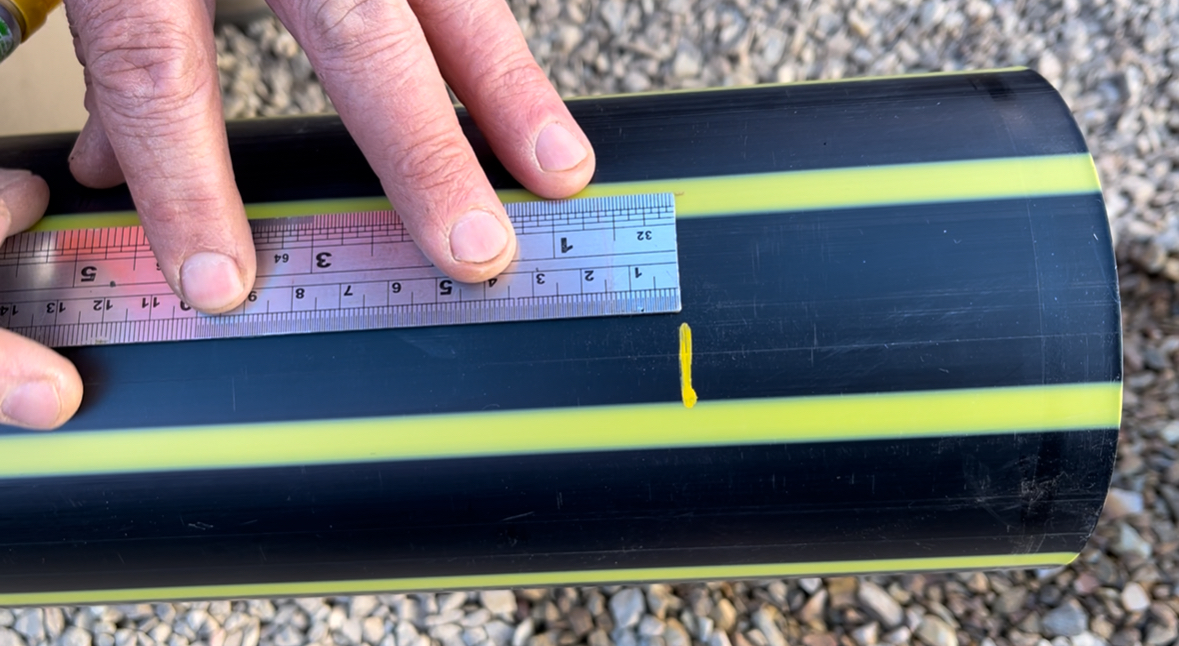
If you’ve worked with polyethylene (PE) pipe for any length of time, you’ve probably heard someone say: “The pipe looks clean. Do I really need to wipe it before electrofusion welding?” It’s a fair question. When you’re trying to keep a job moving, wiping the pipe can feel like a small step that won’t make..
Read more- 0 Comment
The Real Cost Of Unqualified Poly Welders
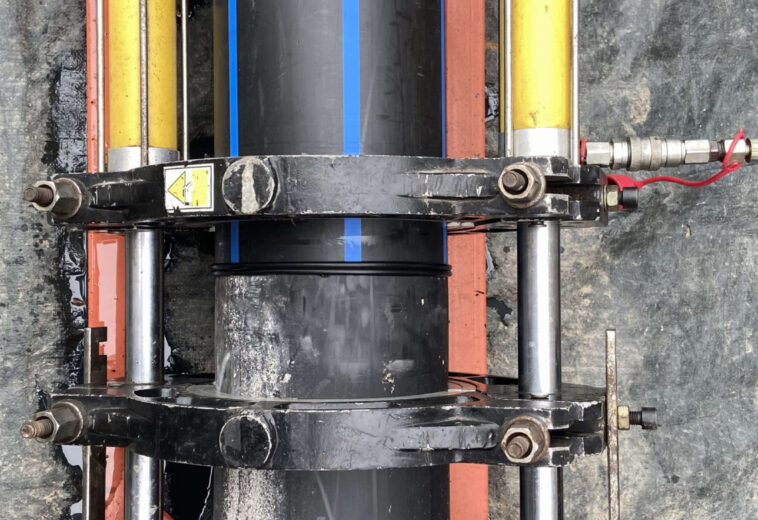
If your welders aren’t qualified, you have a problem – you just might not know it yet. In Australia, you can’t legally weld polyethylene pipe without being trained and assessed as competent. That’s not a guideline or a best practice. It’s a requirement. But here’s the thing: unlike most skilled trades, there’s no licence card..
Read more- 0 Comment
Do I Need PMBWELD301E or PMBWELD302E For Gas Pipeline Work In Australia?
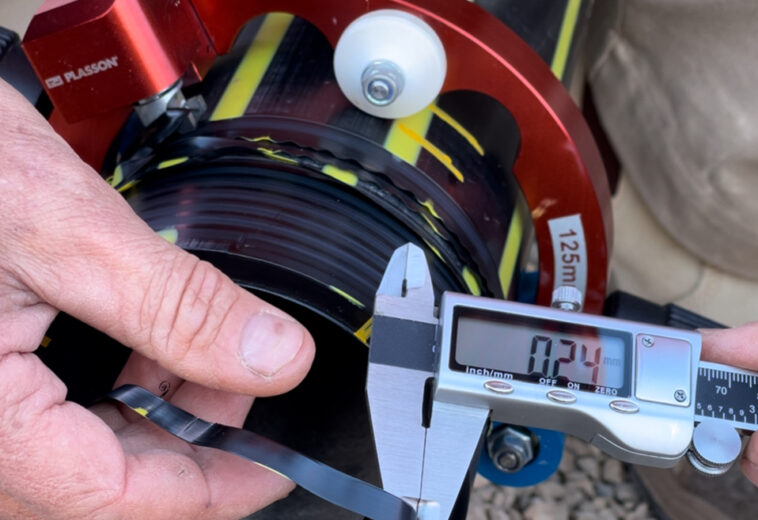
Short answer: almost always, yes. Gas pipelines rely heavily on polyethylene pipe for good reason – it’s durable, flexible and corrosion resistant. But the same properties that make PE pipe ideal for gas distribution also mean that poorly made joints can have serious consequences. That’s why most gas utilities, pipeline contractors and infrastructure owners won’t..
Read more- 0 Comment
Before your next PE pipeline install, read this
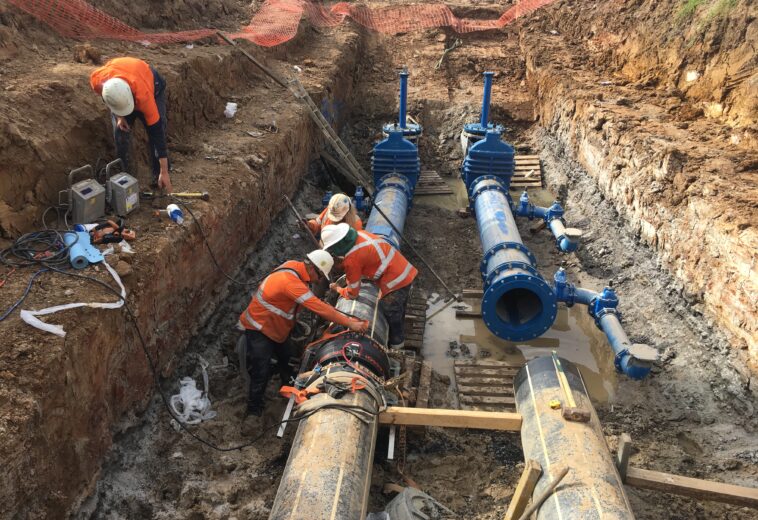
How do I make sure my crew are compliant?
So you’ve won a PE Pipeline Project… the next step is to make sure your welders have the right qualifications Nothing slows down a project faster than discovering your crew doesn’t hold the qualifications required by the client, superintendent or asset owner. If your team will be carrying out polyethylene (PE) electrofusion welding, it’s important..
Read more- 0 Comment
Do You Need to Be Qualified to Weld PE Pipelines in NSW?
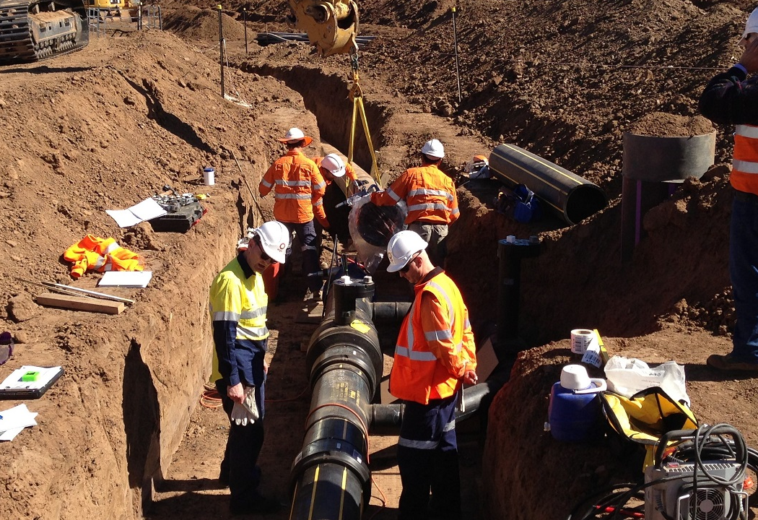
If you’re a plumber, civil contractor or pipeline installer, you’ve probably asked the question: “Do I need to be qualified to weld polyethylene (PE) pipelines?” The short answer is yes. While New South Wales does not have a separate licence specifically for PE pipe welding, installers carrying out polyethylene pipe jointing are expected to be trained and..
Read more- 0 Comment
About Author 01.

Mark HABEL
Mark has over 15 years experience in the game and is a regular speaker and contributor at industry events.
Leave a Reply