
Pipeline Welding Requirements Australia
Polyethylene (PE) pipelines are widely used throughout Australia’s water, gas, mining, industrial and civil construction sectors. Their flexibility, corrosion resistance and long service life make them the preferred choice for many critical infrastructure applications. However, achieving a safe and reliable pipeline system depends on one crucial factor: the quality of the welded joints.
This guide explains the PE pipeline welding requirements in Australia, including industry standards, competency requirements, training pathways and the qualifications commonly required by utilities, contractors and asset owners.
What Is PE Pipeline Welding?
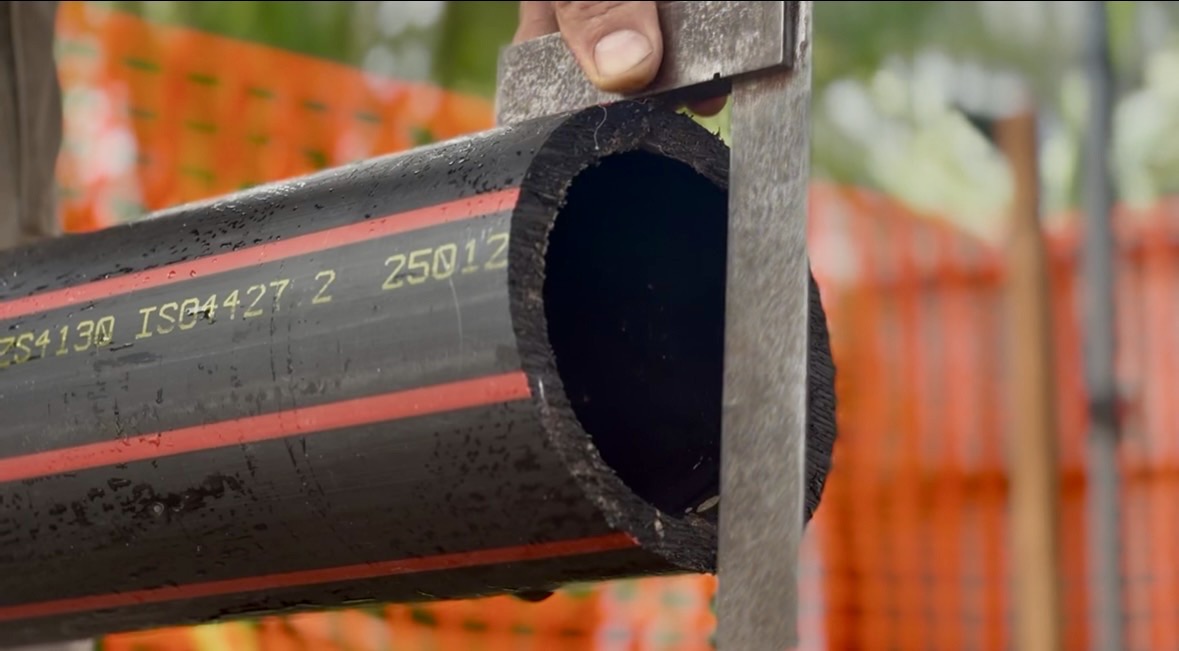
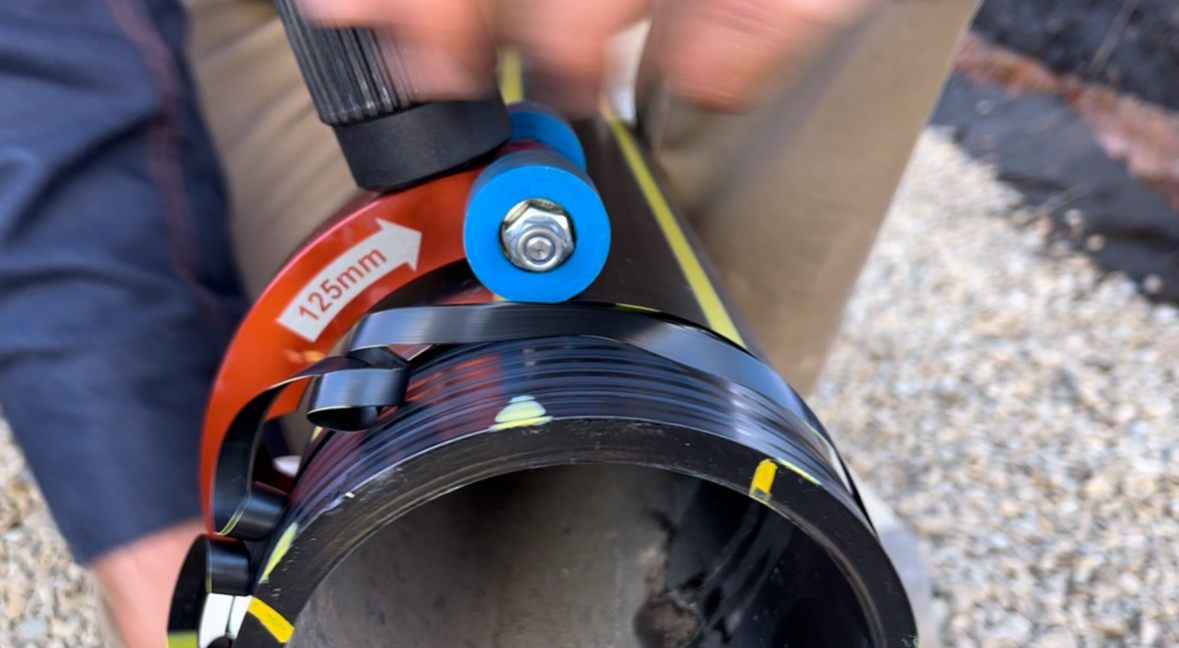
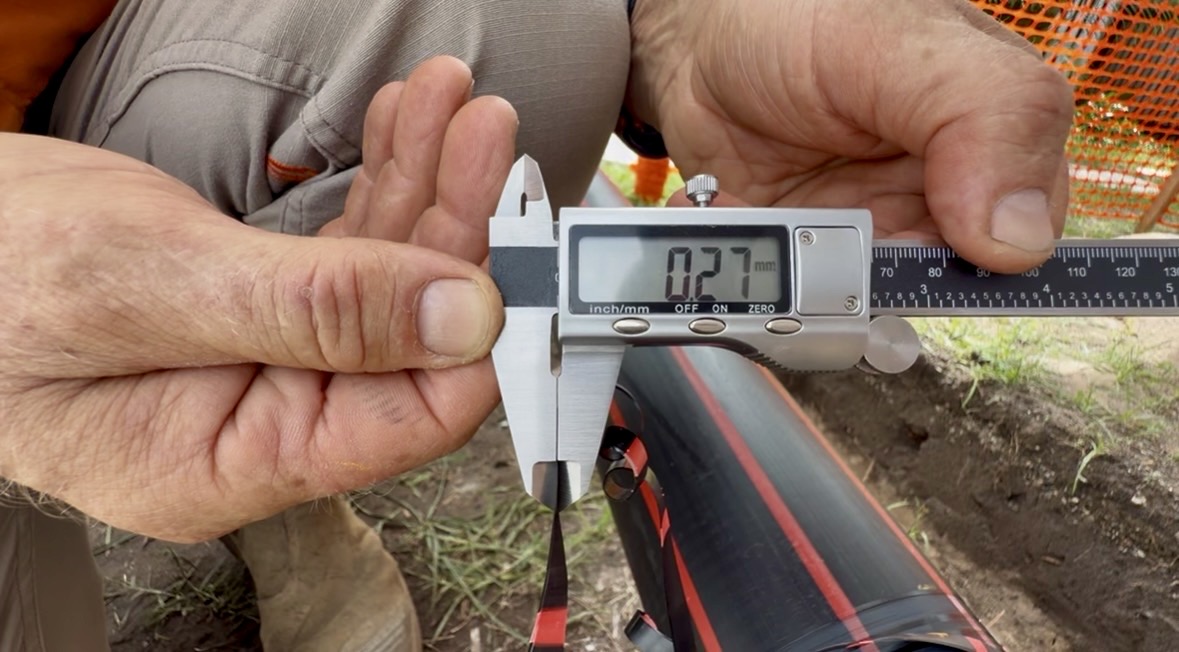
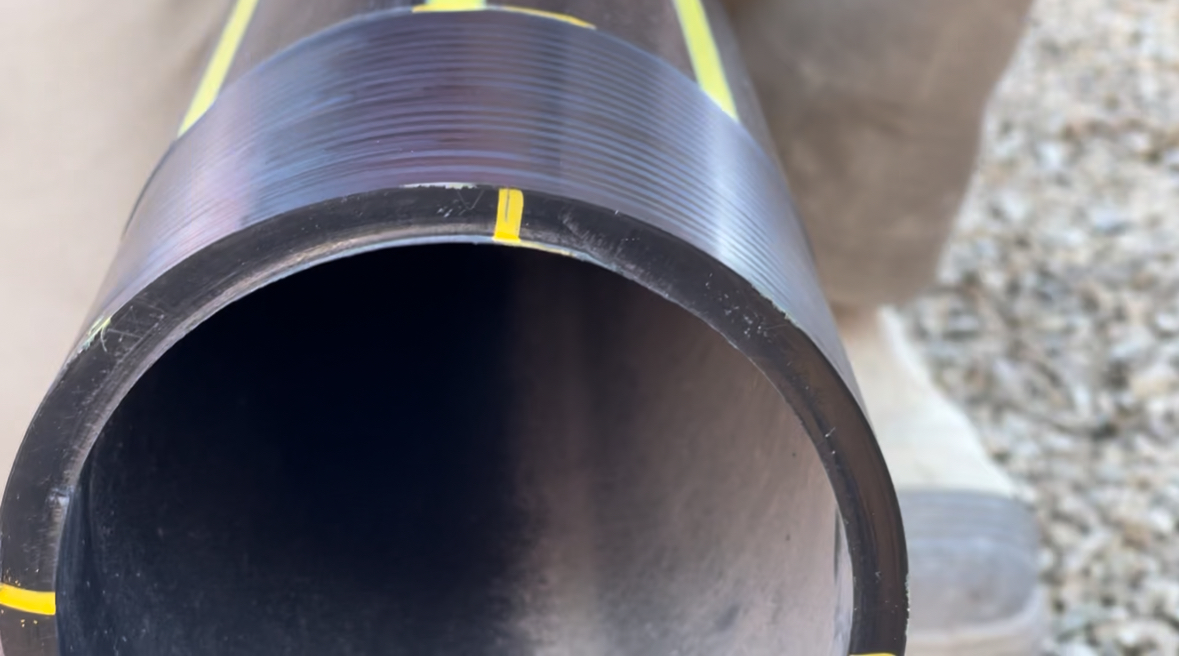
PE pipeline welding is the process of permanently joining polyethylene pipes and fittings to create a continuous, leak-free pipeline system.
The two most common welding methods used in Australia are:
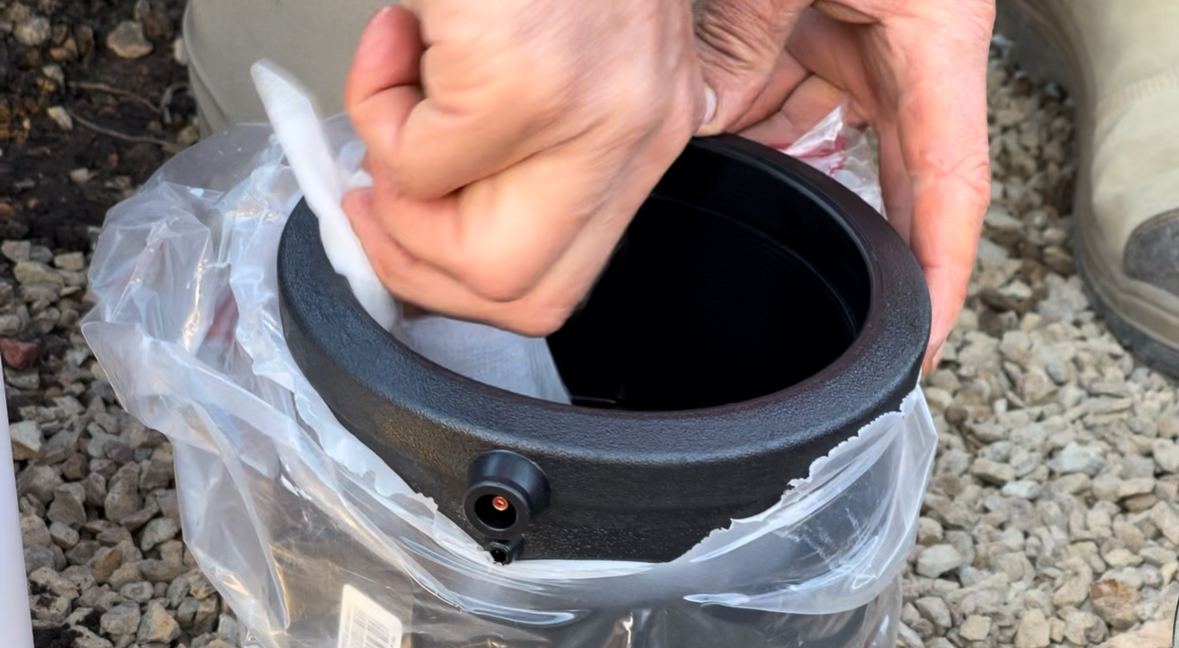
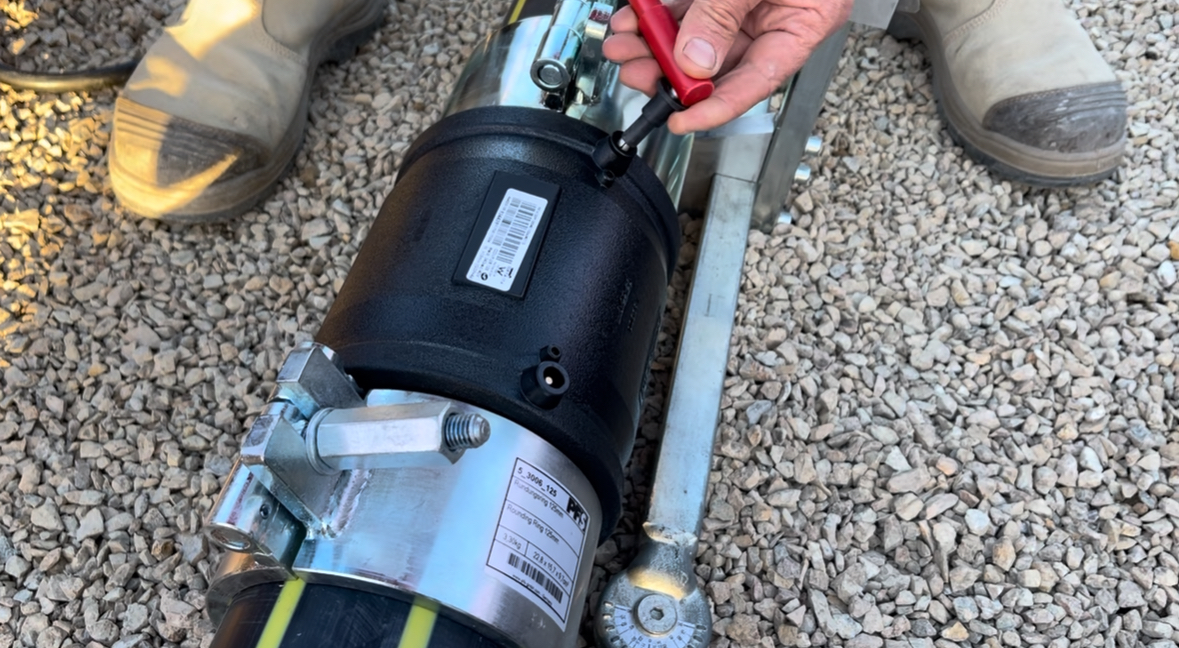
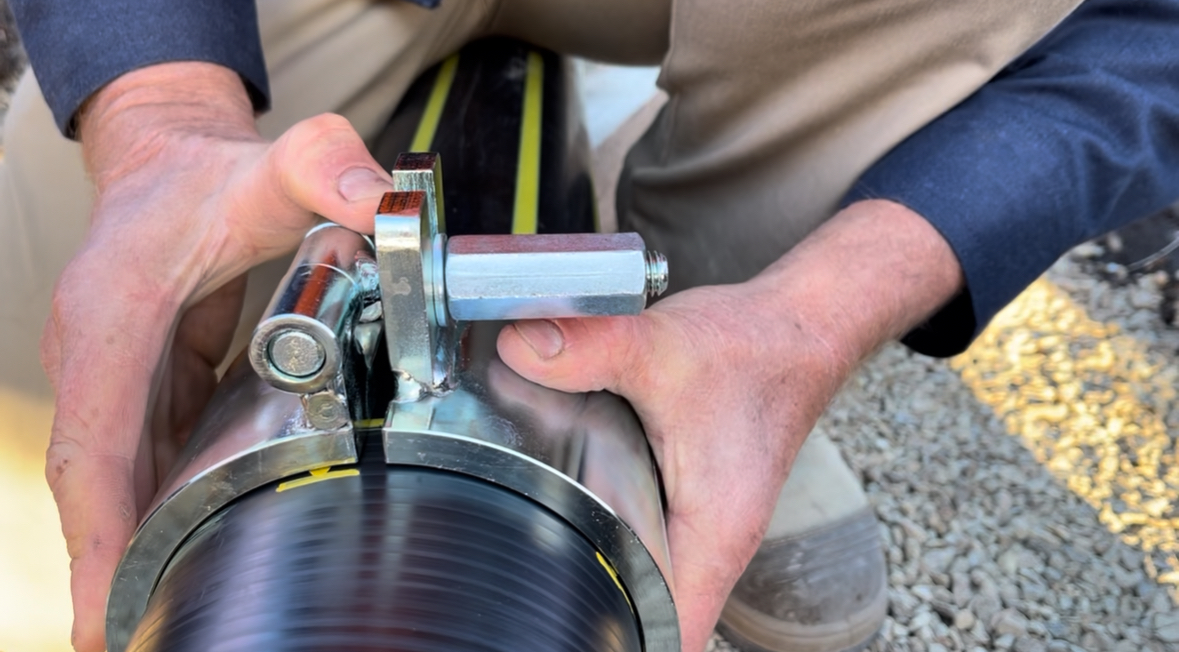
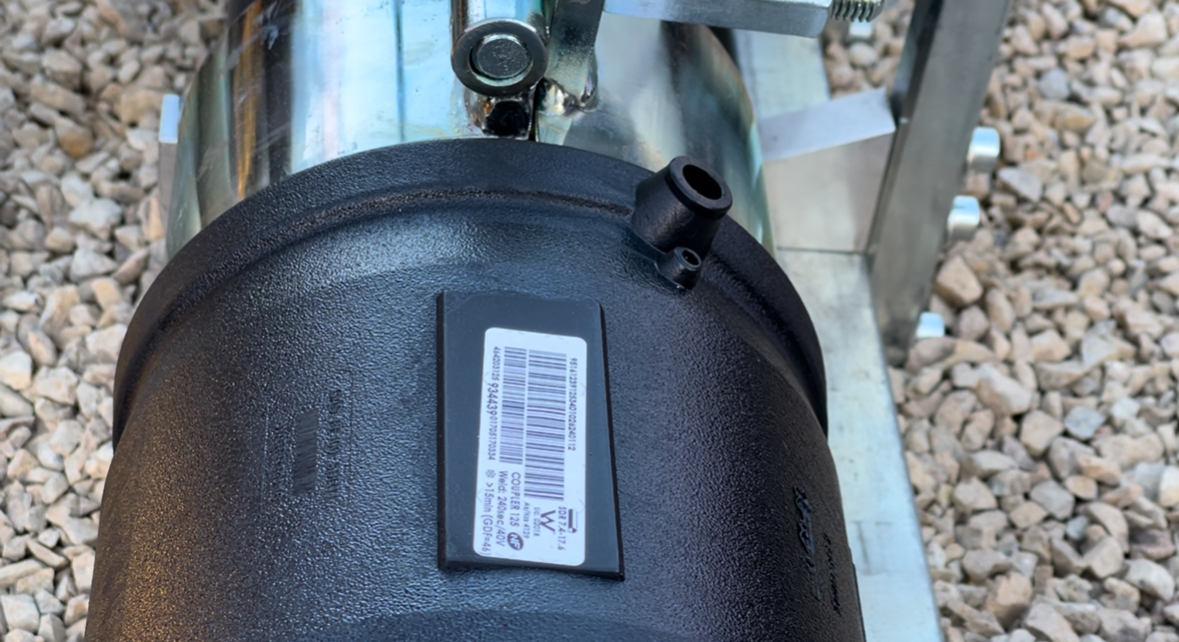
Electrofusion Welding
Electrofusion welding uses specialised fittings containing electrical heating elements. When connected to an approved electrofusion control unit, the fitting heats and fuses the pipe and fitting together.
Electrofusion welding is commonly used for:
– Water reticulation networks
– Gas distribution systems
– Pressure sewer systems
– Industrial process piping
– Repair and maintenance work
Butt Fusion Welding
Butt fusion welding joins two PE pipe ends by heating and pressing them together using a specialised fusion machine.
It is commonly used for:
– Large diameter pipelines
– Long pipeline installations
– Mining infrastructure
– Water transmission mains
– Civil construction projects
While Australian legislation does not prescribe a single national licence for PE welding, under the NCC and Plumbing Code, utilities, infrastructure owners, contractors and project specifications require installers to demonstrate competency through nationally recognised training and assessment
For electrofusion welding, the nationally accredited Unit of Competency is:
PMBWELD301E – Join polyethylene plastic pipelines using butt welding
For electrofusion welding, the nationally accredited Unit of Competency is:
PMBWELD302E – Join polyethylene plastic pipelines using electrofusion welding
For butt fusion welding, additional competency units may apply depending on the project requirements and pipe systems involved.
Why Is Training Important?
PE pipeline systems often transport essential services such as:
-
Drinking water
-
Recycled water
-
Natural gas
-
Industrial fluids
-
Mining process materials
Poor welding practices can result in:
-
Joint failures
-
Leaks
-
Service interruptions
-
Safety incidents
-
Costly repairs
-
Regulatory non-compliance
Industry-recognised training helps ensure installers understand:
-
Pipe preparation procedures
-
Welding parameters
-
Cooling requirements
-
Environmental considerations
-
Inspection techniques
-
Weld quality assurance
-
Record keeping and traceability
Australian Standards Governing PE Pipeline Installation
Several Australian and New Zealand standards influence PE pipeline installation and welding activities.
These may include:
AS/NZS 2033
Installation of polyethylene pipe systems
Provides guidance on installation practices, handling, storage and jointing requirements for polyethylene pipe systems.
AS/NZS 3500
Plumbing and drainage standards
Applicable to plumbing and drainage installations and references competency requirements for joining methods used within PE systems.
Utility and Asset Owner Specifications
Many water authorities, gas network operators and infrastructure owners maintain their own technical standards that may exceed minimum Australian Standards requirements.
Contractors are commonly required to provide evidence of:
-
Welder competency
-
Equipment calibration
-
Weld traceability
-
Quality assurance procedures
What Is PMBWELD301E?
PMBWELD301E is the nationally recognised unit of competency covering butt welding of polyethylene pipelines.
The training covers:
-
Preparing pipes
-
Equipment setup and operation
-
Butt welding procedures
-
Quality inspections
-
Weld assessment
-
Workplace safety
-
Documentation and reporting
The unit is recognised throughout Australia and is frequently specified by utilities, contractors and infrastructure owners when selecting qualified pipeline installers.
What Is PMBWELD302E?
PMBWELD302E is the nationally recognised unit of competency covering electrofusion welding of polyethylene pipelines.
The training covers:
-
Preparing pipes and fittings
-
Equipment setup and operation
-
Electrofusion welding procedures
-
Quality inspections
-
Weld assessment
-
Workplace safety
-
Documentation and reporting
The unit is recognised throughout Australia and is frequently specified by utilities, contractors and infrastructure owners when selecting qualified pipeline installers.
Industries That Require PE Welding Competency
Water Infrastructure
Water authorities routinely require trained PE welders for:
-
Water mains
-
Reticulation networks
-
Pump stations
-
Pressure sewer systems
Gas Distribution
Gas networks rely heavily on electrofusion and butt fusion welding for PE gas pipelines, where weld quality is critical to public safety.
Mining
Mining operations use PE systems for:
-
Water transfer
-
Slurry transport
-
Dewatering systems
-
Process water infrastructure
Civil Construction
Civil contractors utilise PE pipelines for:
-
Land development projects
-
Stormwater infrastructure
-
Utility installation
-
Infrastructure upgrades
Industrial Facilities
Industrial plants frequently specify trained PE welders for process piping and utility services
Frequently Asked Questions
Is PE welding certification mandatory in Australia?
While there is no single national PE welding licence,the NCC and Plumbing Code require evidence of competency through recognised training such as PMBWELD301E and PMBWELD302E.
What qualification do I need for butt welding?
The nationally recognised Unit of Competency is PMBWELD301E – Join polyethylene plastic pipelines using butt welding.
What qualification do I need for electrofusion welding?
The nationally recognised Unit of Competency is PMBWELD302E – Join polyethylene plastic pipelines using electrofusion welding.
Can I weld PE pipe without training?
Many asset owners, utilities and contractors will ask to sight documented evidence of the completion of an accredited course, such as PMBWELD301E and PMBWELD302E, before allowing personnel to perform PE welding on their projects.
What industries use PE pipeline welding?
PE welding is widely used throughout water, gas, mining, civil construction, irrigation and industrial sectors.
How long does PE welding training take?
Training duration varies depending on experience levels, course delivery method and assessment requirements but is generally a 1 or 2 day course
Choosing a PE Welding Training Provider
When selecting training, organisations should look for providers that offer:
-
Nationally recognised training
-
Practical hands-on assessment
-
Industry-experienced trainers
-
Current welding equipment
-
Compliance-focused instruction
-
Training aligned with utility and infrastructure requirements
Quality training not only helps achieve compliance but also improves safety, productivity and long-term asset performance.