//What Is The Difference Between Butt Welding and Electrofusion?
What Is The Difference Between Butt Welding and Electrofusion?
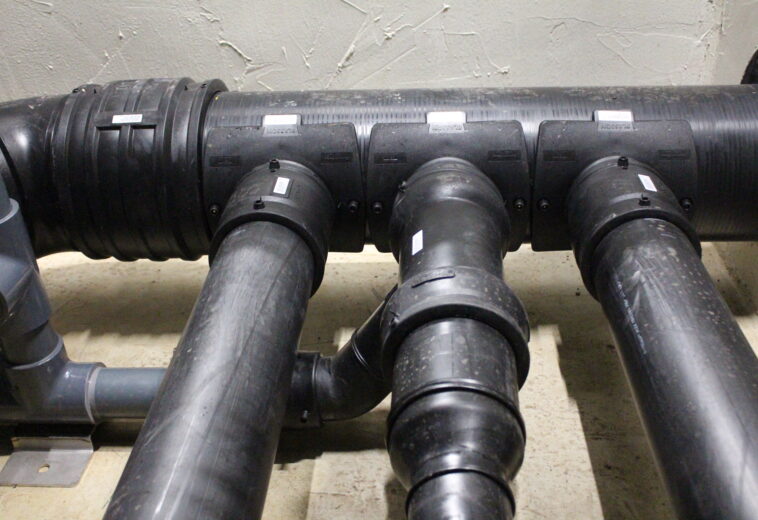
If you’re starting out in polyethylene (PE) pipe welding, one of the first things you’ll discover is that there are two main ways to join PE pipe: butt welding and electrofusion welding.
Both methods create strong, permanent, leak-free joints used in water, gas, plumbing, civil infrastructure, mining and industrial pipeline systems. The key difference is how the pipes are joined.
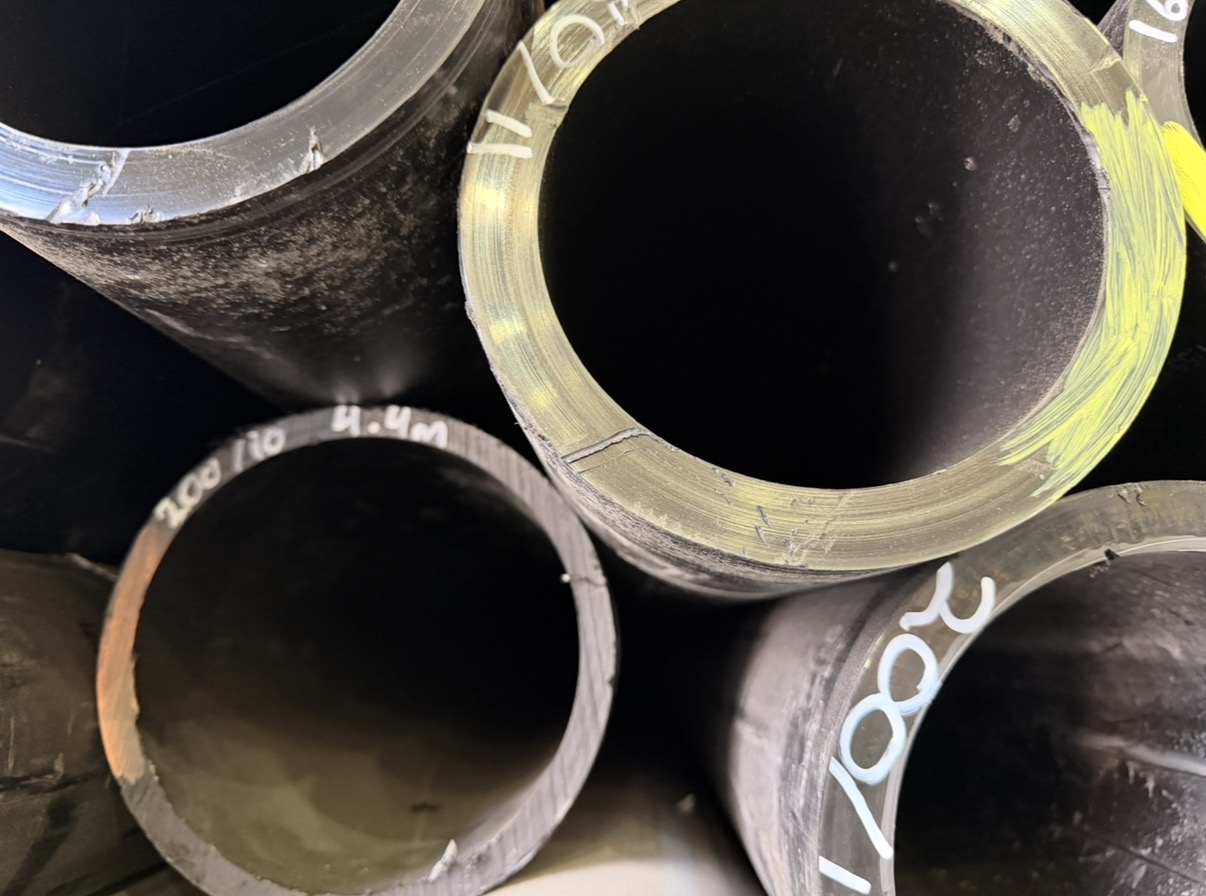
Butt welding involves heating the ends of two PE pipes and pressing them together under controlled pressure. Once cooled, the joint becomes a continuous section of pipe and can be as strong as the pipe itself. This method is commonly used on larger diameter pipelines and long pipe runs.
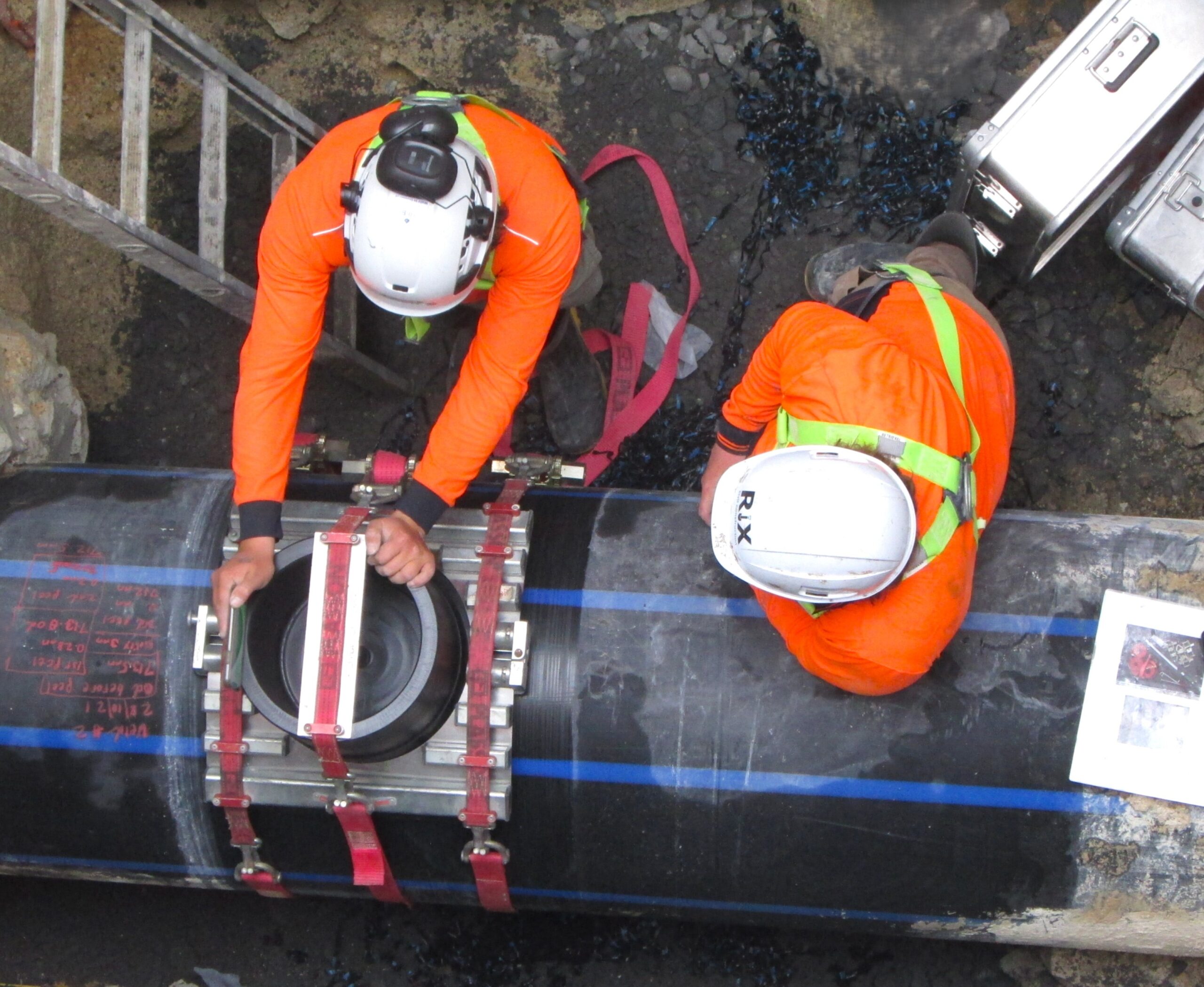
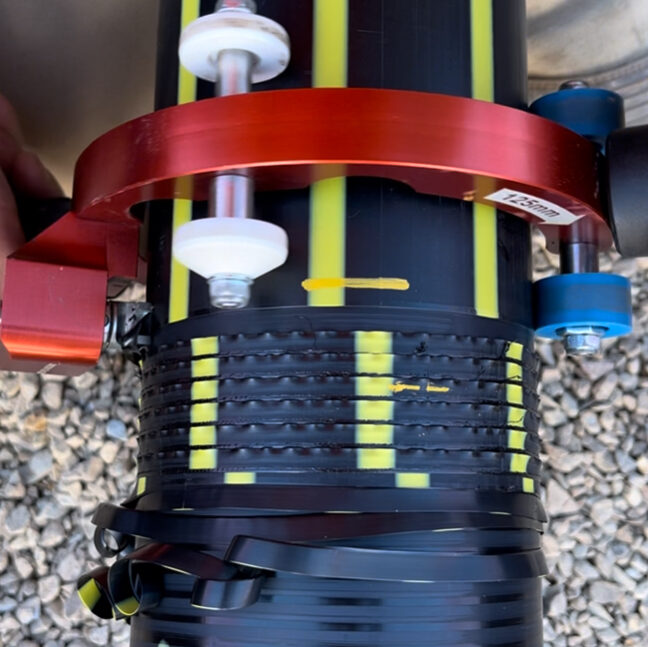
Electrofusion welding uses specialised fittings that contain built-in heating elements. The fitting is connected to an electrofusion control unit, which heats the fitting and pipe surface, creating a permanent fused connection. Electrofusion is often used for repairs, tie-ins, confined spaces and installations where butt welding equipment cannot be easily used.
So which one should you learn?
Many PE welders learn both processes because different projects require different joining methods. Water authorities, gas utilities, civil contractors and pipeline installers regularly use a combination of butt welding and electrofusion welding on the same project.
To perform PE welding competently, installers should complete nationally recognised training.
Lernna is Australia’s specialist RTO for polyethylene welding qualifications, delivering:
• PMBWELD301E – Butt Weld Polyethylene Plastic Pipelines
• PMBWELD302E – Join Polyethylene Pipes Using Electrofusion Welding
Available in Brisbane, Sydney, Melbourne and Perth, Lernna’s blended learning model combines online theory with practical, hands-on training and assessment to prepare welders for real-world industry applications.