//What Is The Best Method: Butt Welding or Electrofusion?
What Is The Best Method: Butt Welding or Electrofusion?
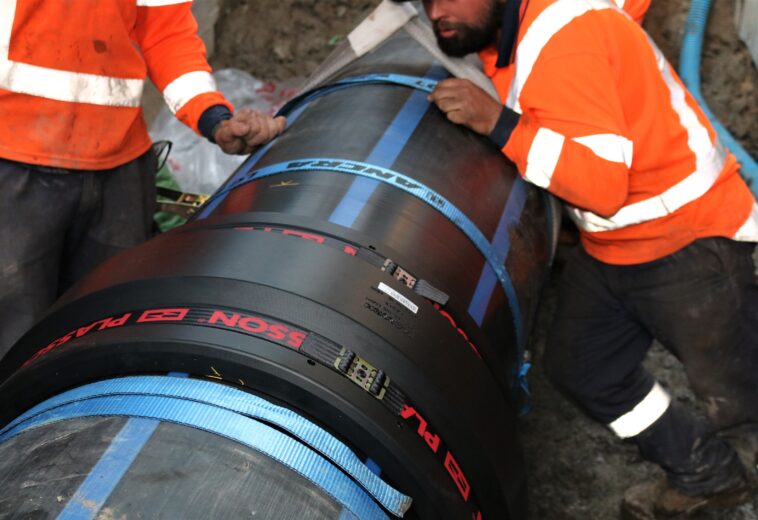
Electrofusion vs Butt Welding: What Jointing Method Should You Specify?
So you’re preparing to specify your next PE pipeline – what is the best method: Butt Welding or Electrofusion? Choosing the wrong PE jointing method can impact installation costs, construction timelines, site access requirements, and long-term asset performance.
The two most common methods for joining polyethylene (PE) pipe are butt welding and electrofusion welding, but each is suited to different project conditions.
Butt welding joins two pipe ends directly together by heating the pipe faces and fusing them under controlled pressure. The result is a strong, continuous joint with no additional fittings required, making it the preferred method for larger diameter pipelines, long pipeline installations, and projects where productivity and cost efficiency are critical.
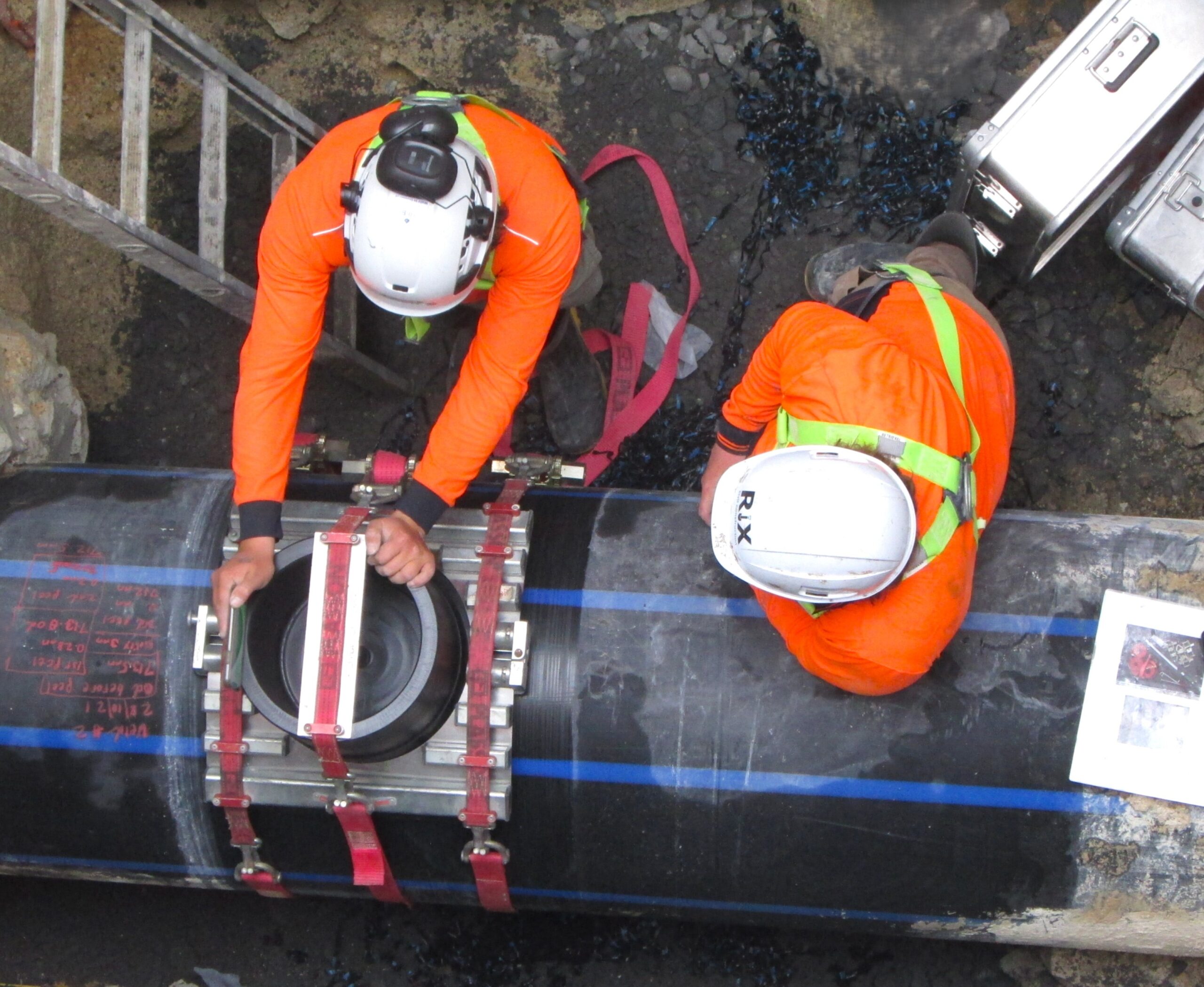
Electrofusion welding uses specialised couplings and fittings with embedded heating elements. The fitting is connected to an electrofusion control unit, which melts and fuses the fitting to the pipe. This method is commonly specified where site access is restricted, excavation space is limited, or tie-ins, repairs and complex connections are required.
For engineers and asset owners, the choice often comes down to pipeline diameter, site constraints, constructability requirements, and lifecycle considerations rather than joint strength alone.
Whichever method is specified, the quality of welds depends on the competency of the person performing it.
Lernna is Australia’s specialist RTO for PE welding qualifications, delivering accredited PMBWELD301E – Butt Weld Polyethylene Plastic Pipelines and PMBWELD302E – Join Polyethylene Pipes Using Electrofusion Welding across Brisbane, Sydney, Melbourne and Perth.
Lernna’s blended training model combines online theory with practical, hands-on assessment to help contractors and utility personnel meet project specifications, quality requirements and compliance obligations.
S