PMBWELD 301E 302E
Share This
CONTACT US
Scroll Down
//Australian Pipeline Upgrade Projects

Australian Pipeline Upgrade Projects

Our Watermain Renewal Wave
The Big Infrastructure Upgrade Beneath Our Feet

Australia is entering a major new era of water infrastructure renewal—and much of the work is happening underground, largely unnoticed by the people who rely on these networks every day.

Across the country, water utilities and local councils are replacing ageing water mains, trunk infrastructure and distribution networks that were installed decades ago.

Much of Australia’s urban water infrastructure was built during the post-World War II expansion of our cities. Those pipes have served communities for generations, but many are now approaching—or have already reached—the end of their intended operational lives.

And because large volumes of infrastructure were installed during similar periods of population growth and development, utilities are now facing a significant challenge:

A lot of pipes are getting old at the same time.

The result is a growing pipeline of renewal work across Australia’s metropolitan and regional water networks.

This isn’t simply a collection of isolated pipe replacement projects.

It is a long-term infrastructure challenge involving billions of dollars of investment, thousands of kilometres of network and an industry that needs the people, technology and capability to deliver it.


The infrastructure beneath our cities is ageing

Water networks are some of the most important infrastructure a city owns – and some of the least visible.

A road can be resurfaced. A bridge can be inspected. A building can be renovated.

Water mains are different.

Many are buried beneath roads, footpaths, properties and established urban areas. Some have been operating for many decades, supplying millions of people with drinking water.

As pipes age, the risks increase.

Breaks can interrupt supply. Leaks can waste treated water. Failures can damage roads and other infrastructure, disrupt businesses and create significant costs for utilities and communities.

For water authorities, proactive renewal can therefore be about much more than replacing an old pipe.

It is about managing risk before failure occurs.

And that is driving an increasing amount of planned renewal work across Australia.

Poly pipe installation courses


NSW: major networks and local renewal programs

New South Wales provides a good illustration of the scale and variety of the work underway.

Hunter Water has proposed a $150 million trunk main renewal involving a century-old pipeline that supplies a significant proportion of drinking water to the Lower Hunter region.

At a local level, Dubbo Regional Council has been undertaking targeted water main replacement works across streets including Macquarie, Brisbane and Tamworth Streets, with the program scheduled for completion by the end of 2026.

In Bowral, Wingecarribee Shire Council is renewing the Bong Bong Street water main, using directional trenchless drilling to replace infrastructure while reducing the disruption associated with conventional excavation.

Further south, Shoalhaven Water is delivering sequential replacement packages across areas including Berry and Sanctuary Point, targeting ageing mains with a history of failures.

Different locations. Different pipe networks. Different construction challenges.

But the underlying issue is the same:

Infrastructure that has served communities for decades needs to be renewed for the decades ahead.


Queensland: renewal from Brisbane to regional networks


Queensland is experiencing its own substantial program of water infrastructure renewal.

In Brisbane, Urban Utilities is undertaking its 2026–27 Water Main Replacement Program across multiple suburbs, including areas such as Virginia and Bulimba.

The work reflects an increasingly familiar challenge in established suburbs: ageing post-war infrastructure experiencing failures and requiring systematic replacement.

On the Gold Coast, the City of Gold Coast is also undertaking water main replacement works, with projects including local street installations in areas such as Hollywell.

And the work isn’t confined to the state’s major metropolitan centres.

Gympie Regional Council is progressing a multi-year Water Main Renewal Program covering 12 priority sites, demonstrating the importance of renewal programs for regional communities as well as large cities.

This is an important point.

Water infrastructure renewal isn’t just a capital-city problem.

As infrastructure ages, regional councils and smaller utilities face many of the same challenges as metropolitan networks—often with smaller workforces, more dispersed communities and significant logistical considerations.


electrofusion welding courses


Victoria: billions in capital investment

Victoria demonstrates just how large the broader infrastructure challenge can become.

Melbourne Water’s proposed 2026–2031 capital price submission includes more than $7.8 billion in capital investment, with significant investment directed towards maintaining and renewing metropolitan drinking water and wastewater infrastructure.

At the network level, Greater Western Water is progressing renewal projects across Melbourne and the western suburbs, including work around Queen Street and Francis Street.

Goulburn Valley Water is also continuing its water main replacement program, supported by an allocation of more than $13 million, with works prioritised in areas experiencing higher rates of pipe failure.

Again, the pattern is clear.

The work isn’t simply about responding to individual bursts.

It is increasingly about planned asset management and systematic renewal.


Western Australia and Tasmania face the same challenge

The renewal cycle extends across the country.

In Western Australia, Water Corporation is undertaking ongoing water main renewal across the Perth metropolitan network, including areas such as Subiaco, Bayswater and Wanneroo.

The state’s Goldfields Pipeline also represents a major long-term infrastructure consideration, given the age and strategic importance of the network.

In Tasmania, TasWater is renewing ageing infrastructure in Hobart, including a 100-year-old water main along Elizabeth Street.

That is a century of service from one piece of infrastructure.

And it demonstrates why watermain renewal is becoming such a significant infrastructure story.

The pipes being replaced today aren’t necessarily failed infrastructure. They’re infrastructure that has reached the point where relying on it indefinitely is no longer a sensible asset-management strategy.


Why the scale of renewal matters


For the average Australian, a water main replacement can look like roadworks.

There might be barriers, excavators, temporary traffic management and crews working in the street.

But beneath that relatively small construction footprint is a much bigger undertaking.

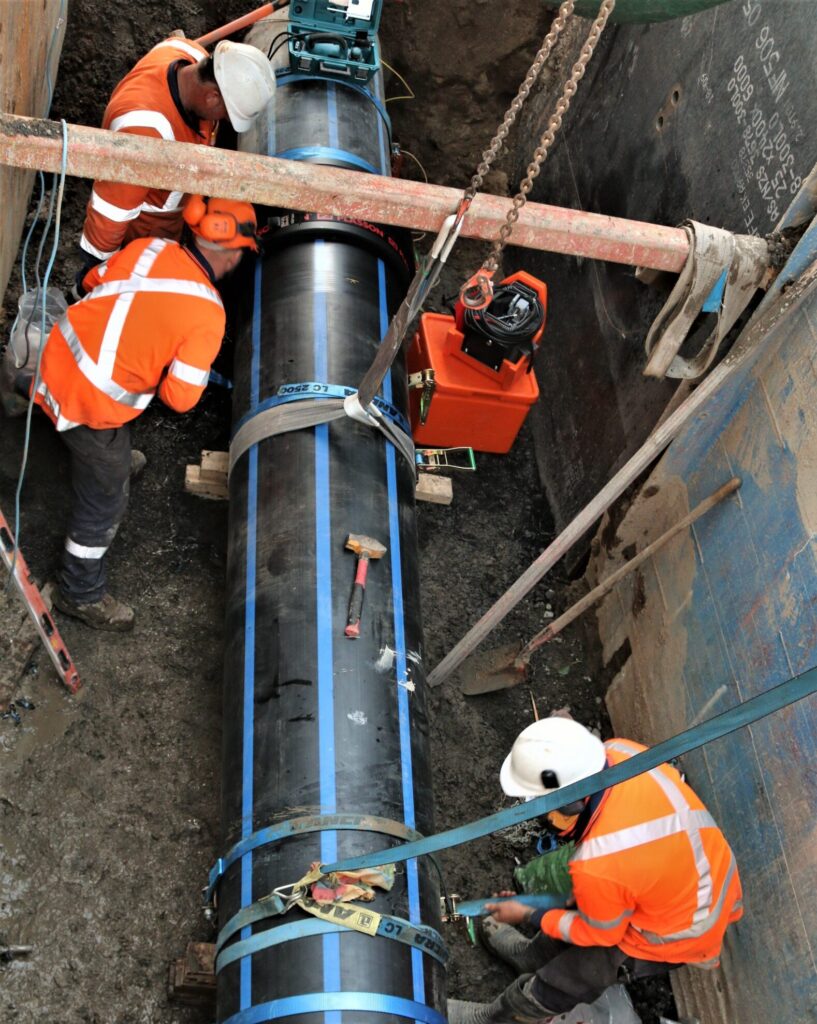
Before a pipe is replaced, utilities and contractors need to understand the existing network, plan the work, manage supply continuity, coordinate traffic and community impacts, source materials, manage excavation or trenchless installation, undertake testing and commissioning, and connect the new infrastructure into an operating network.

And that’s before considering the technical requirements involved in joining and installing the pipe itself.

The work requires engineering, project management, construction capability, skilled trades and specialist technical knowledge.

As the volume of renewal work increases, so does the importance of having an industry capable of delivering it.

Become a qualified butt welder


The rise of polyethylene in renewal work


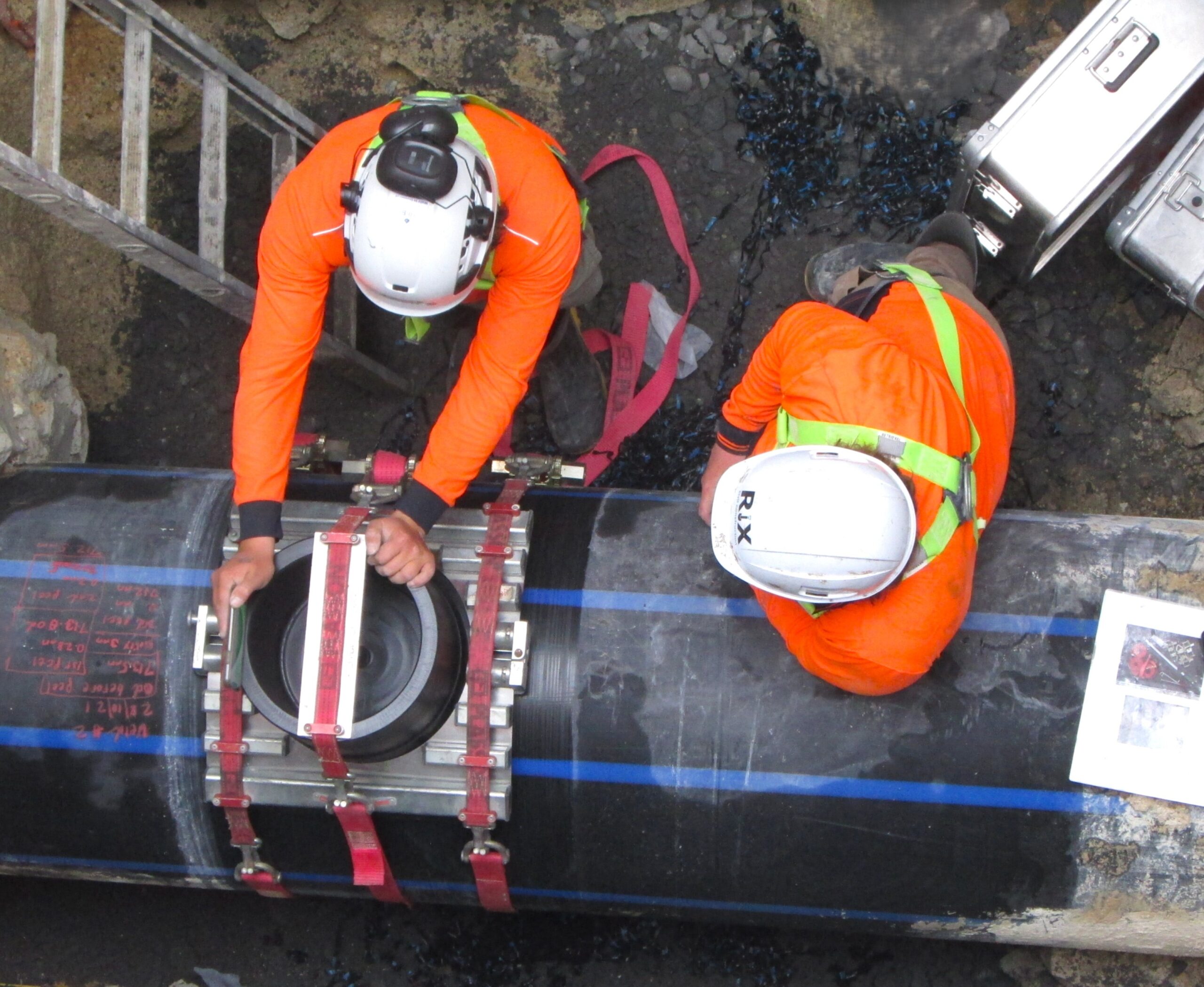
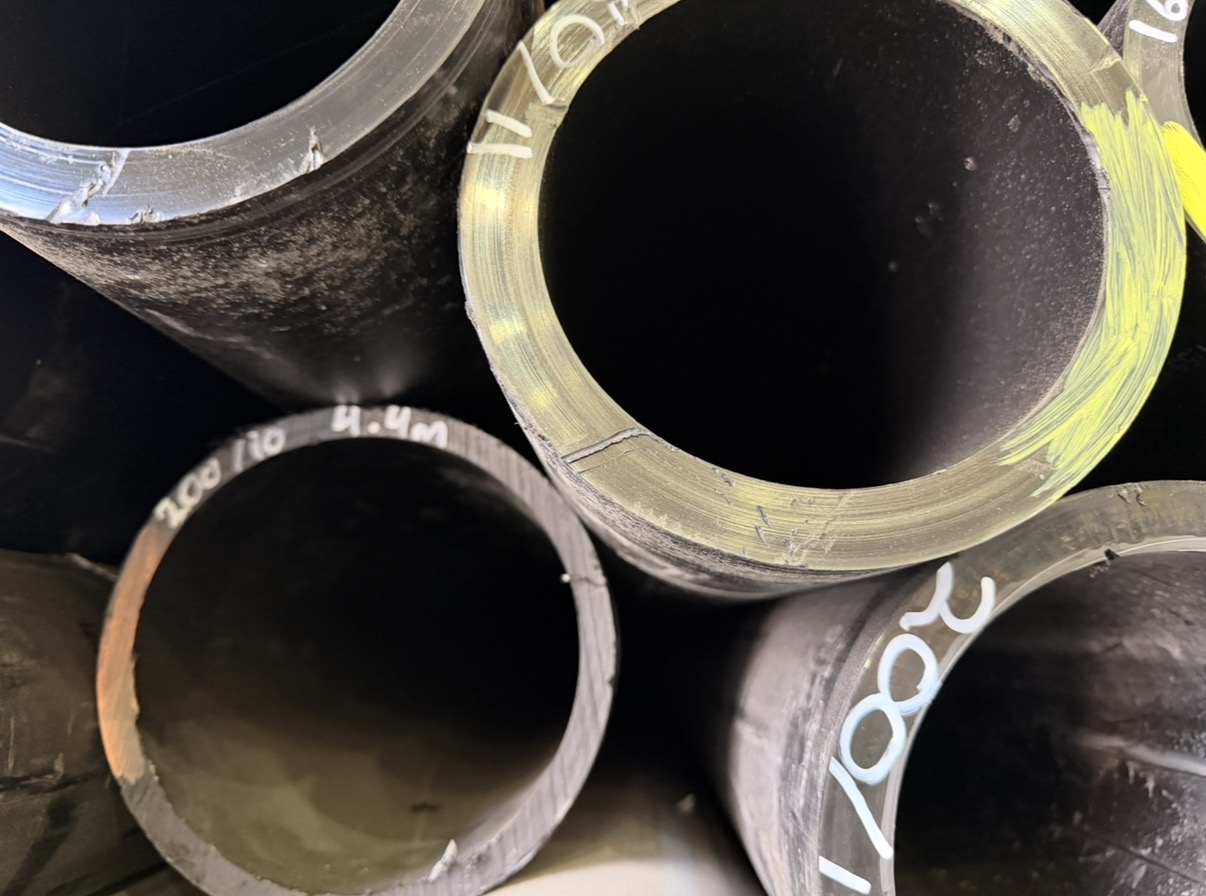
One of the technologies playing an important role in modern water infrastructure is polyethylene, or PE pipe.

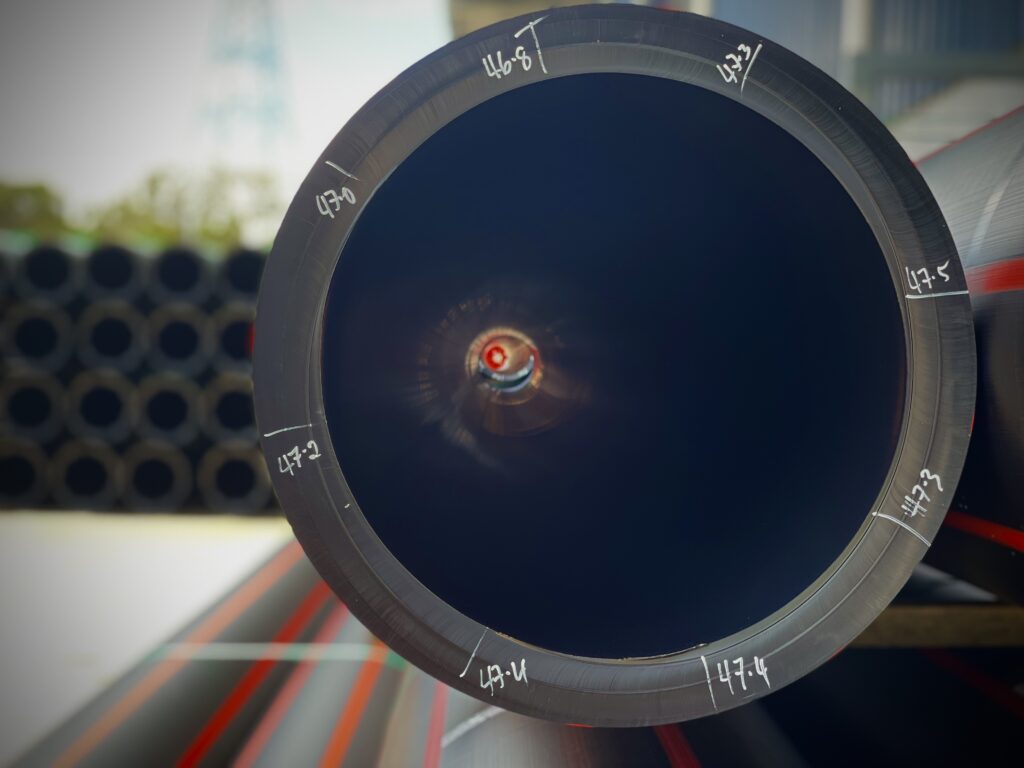
PE systems can offer advantages in particular renewal applications because of their flexibility, durability and ability to be installed using different construction approaches.

For projects in established urban environments, techniques such as trenchless installation can also help reduce disruption compared with traditional open-cut excavation.

But the performance of any PE pipeline depends heavily on how it is installed.

That brings another important issue into focus:

You can have excellent pipe, excellent equipment and an excellent design – and still have a problem if the joining process isn’t done correctly.

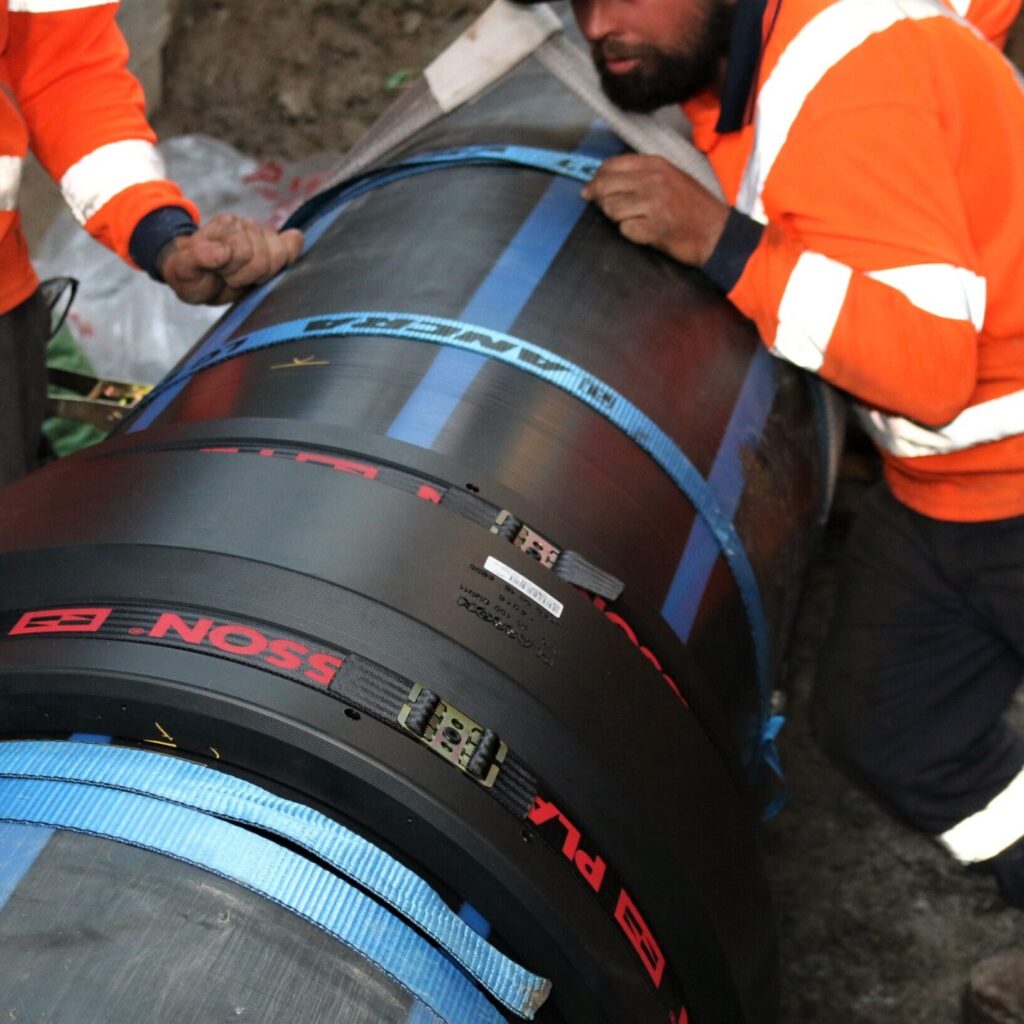
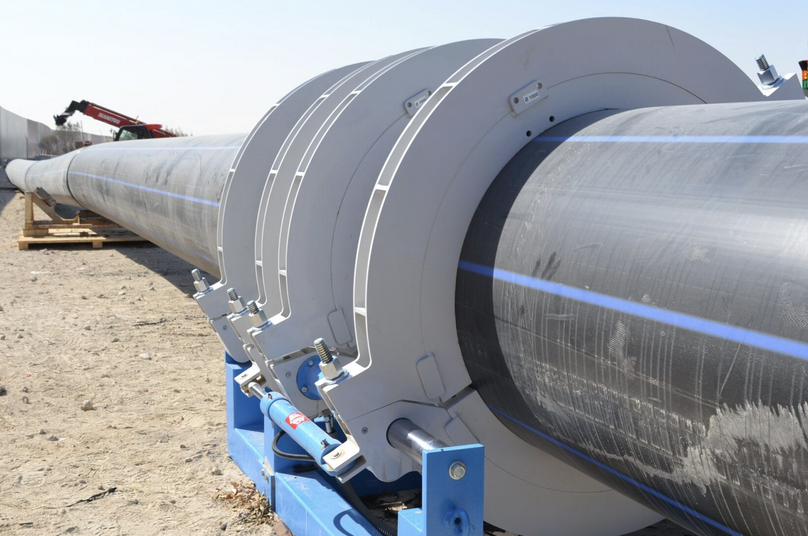
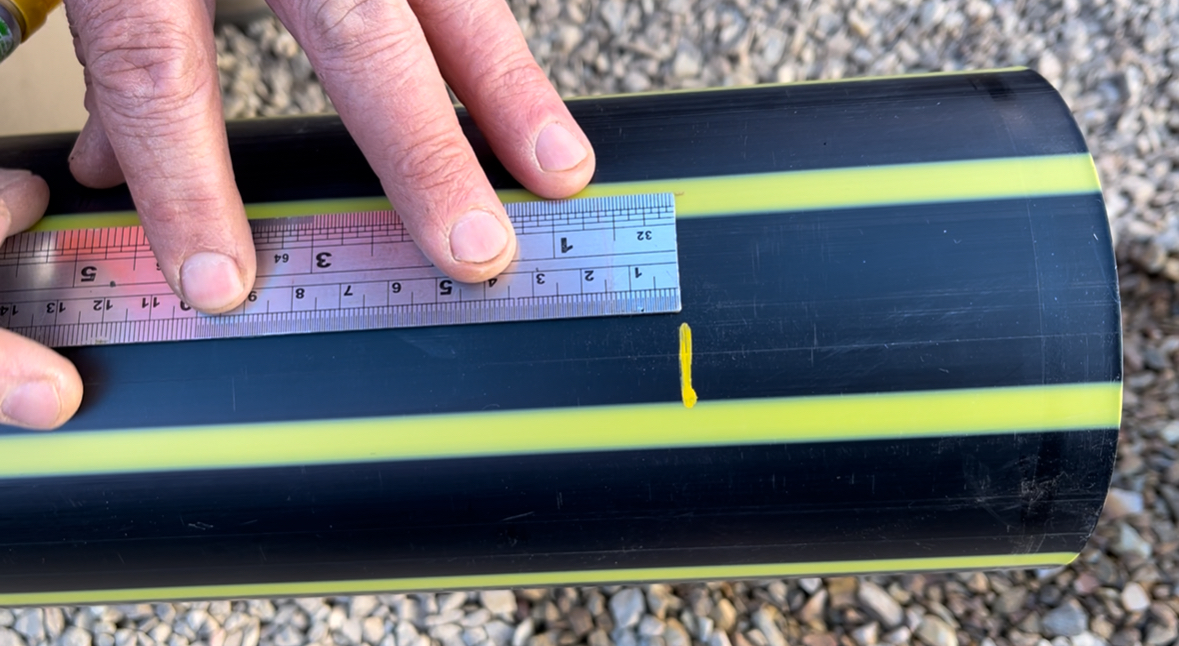
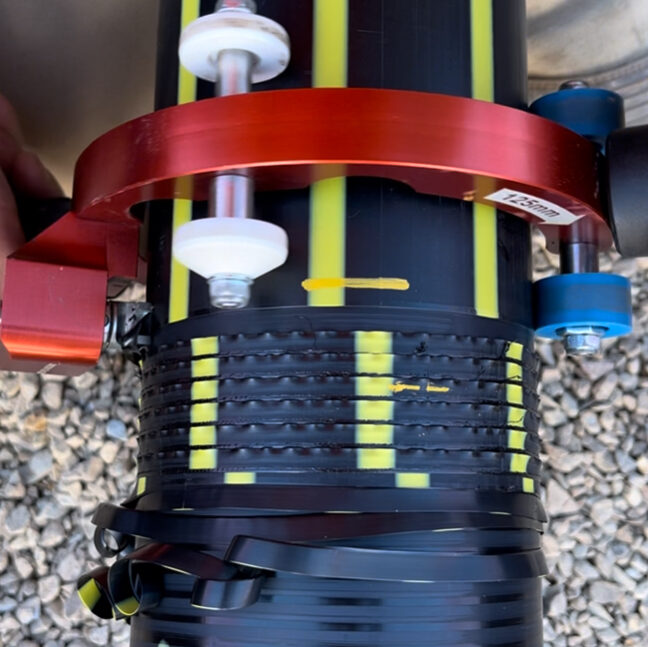
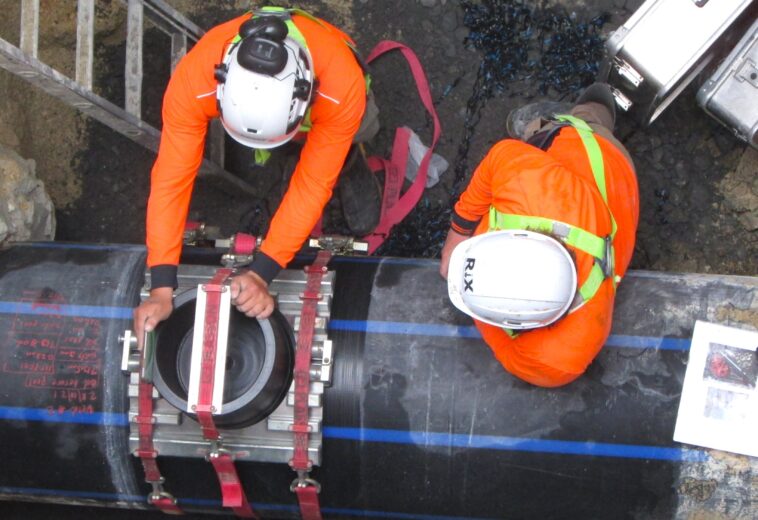
Electrofusion and butt welding require appropriate preparation, alignment, equipment, procedures and competency.

As more PE infrastructure is installed as part of Australia’s renewal cycle, ensuring crews have the right training and practical capability becomes increasingly important.


It’s also a workforce challenge

Australia’s watermain renewal program isn’t just an infrastructure story. It’s a skills story. Thousands of projects require people who can plan, supervise, install, weld, inspect, test and commission infrastructure correctly.

And much of that work needs to happen while existing networks continue supplying communities. That puts pressure on the industry to build capacity.

Utilities and contractors need experienced people, but they also need to develop the next generation of workers with the technical skills required to deliver increasingly sophisticated infrastructure projects. Training and competency therefore become a critical part of the renewal equation.

The pipe might be underground for the next 50 or 100 years. The quality of the installation starts with the people putting it in.


A generational infrastructure job


There is something quite extraordinary about the scale of Australia’s watermain renewal challenge. The infrastructure being replaced was often installed by previous generations during periods of enormous population growth and urban expansion.

Now, a new generation is being asked to renew it. The work will happen suburb by suburb, street by street and project by project.

Some projects will involve enormous trunk mains. Others will involve replacing a relatively short section of pipe in a suburban street. Some will use traditional excavation. Others will rely on trenchless techniques. But collectively, they form part of one enormous national task:

keeping Australia’s water networks reliable for the next generation.

And unlike some infrastructure projects, the finished product isn’t something most people will ever see.

Once the road is reinstated and the traffic barriers disappear, the new pipe will simply sit underground doing its job.

Quietly.

Reliably.

Every day.

The work is only beginning

The projects currently underway across NSW, Queensland, Victoria, Western Australia and Tasmania provide a glimpse of the scale of Australia’s watermain renewal requirements.

If you are tendering for work, make sure your crew holds current Units Of Competency now… before kick off.  Have a look at Lernna’s current courses or reach out to us about training your team today.

  • 0 Comment

Leave a Reply

Your email address will not be published. Required fields are marked *

Need training?

© lernna 2025 / All rights reserved.
CONTACT US
Close