Victoria: billions in capital investment
Victoria demonstrates just how large the broader infrastructure challenge can become.
Melbourne Water’s proposed 2026–2031 capital price submission includes more than $7.8 billion in capital investment, with significant investment directed towards maintaining and renewing metropolitan drinking water and wastewater infrastructure.
At the network level, Greater Western Water is progressing renewal projects across Melbourne and the western suburbs, including work around Queen Street and Francis Street.
Goulburn Valley Water is also continuing its water main replacement program, supported by an allocation of more than $13 million, with works prioritised in areas experiencing higher rates of pipe failure.
Again, the pattern is clear.
The work isn’t simply about responding to individual bursts.
It is increasingly about planned asset management and systematic renewal.
Western Australia and Tasmania face the same challenge
The renewal cycle extends across the country.
In Western Australia, Water Corporation is undertaking ongoing water main renewal across the Perth metropolitan network, including areas such as Subiaco, Bayswater and Wanneroo.
The state’s Goldfields Pipeline also represents a major long-term infrastructure consideration, given the age and strategic importance of the network.
In Tasmania, TasWater is renewing ageing infrastructure in Hobart, including a 100-year-old water main along Elizabeth Street.
That is a century of service from one piece of infrastructure.
And it demonstrates why watermain renewal is becoming such a significant infrastructure story.
The pipes being replaced today aren’t necessarily failed infrastructure. They’re infrastructure that has reached the point where relying on it indefinitely is no longer a sensible asset-management strategy.
Why the scale of renewal matters
For the average Australian, a water main replacement can look like roadworks.
There might be barriers, excavators, temporary traffic management and crews working in the street.
But beneath that relatively small construction footprint is a much bigger undertaking.
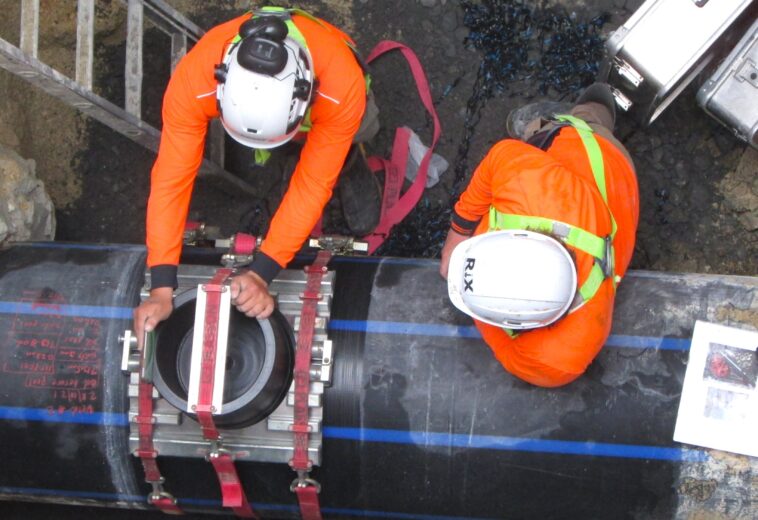
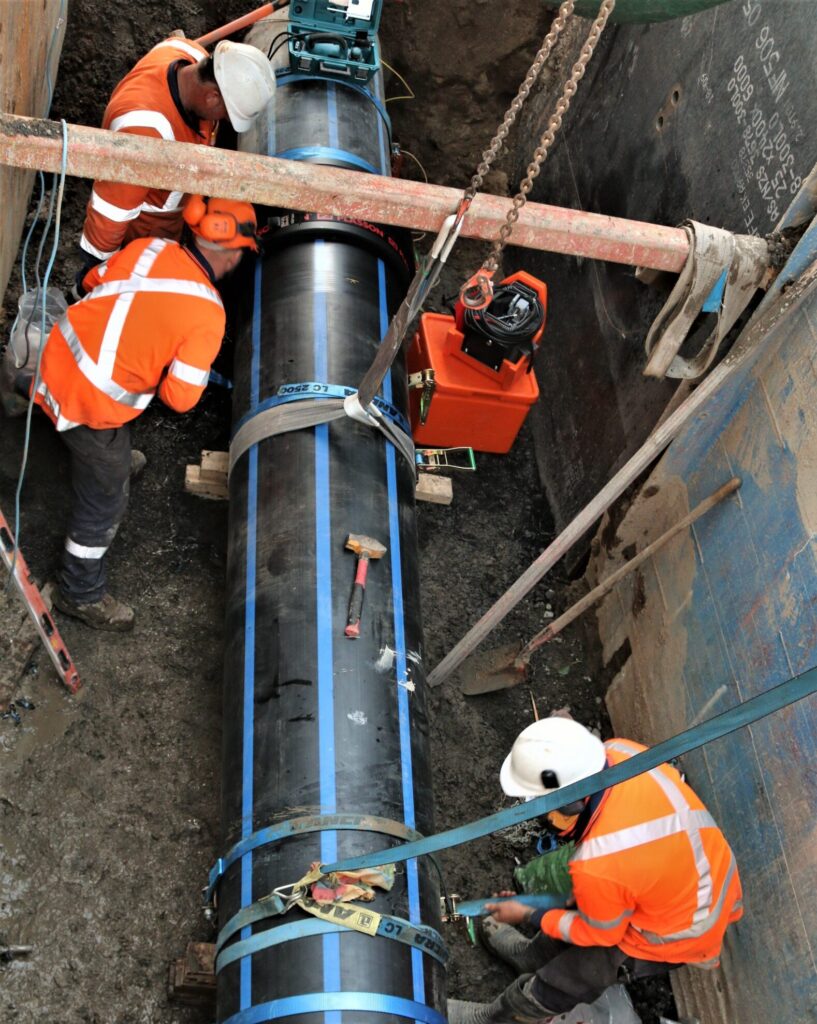
Before a pipe is replaced, utilities and contractors need to understand the existing network, plan the work, manage supply continuity, coordinate traffic and community impacts, source materials, manage excavation or trenchless installation, undertake testing and commissioning, and connect the new infrastructure into an operating network.
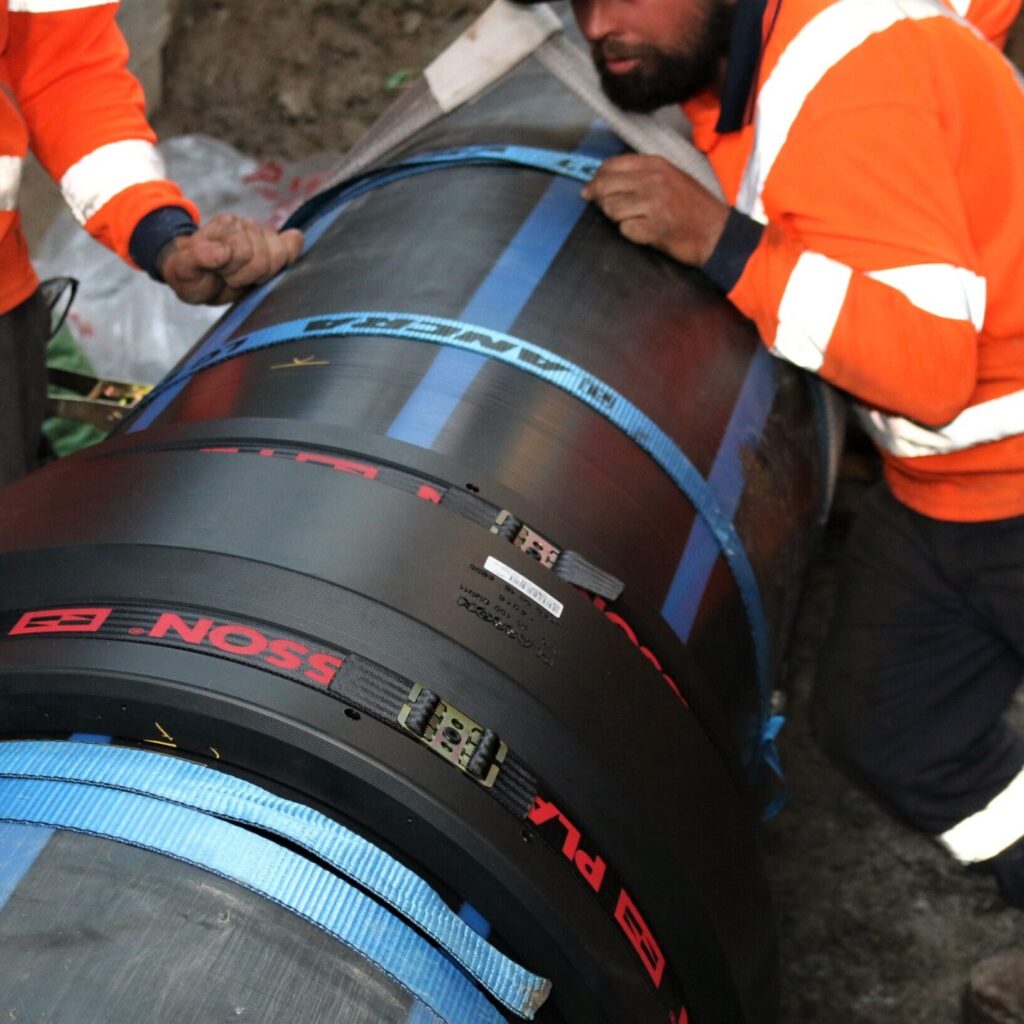
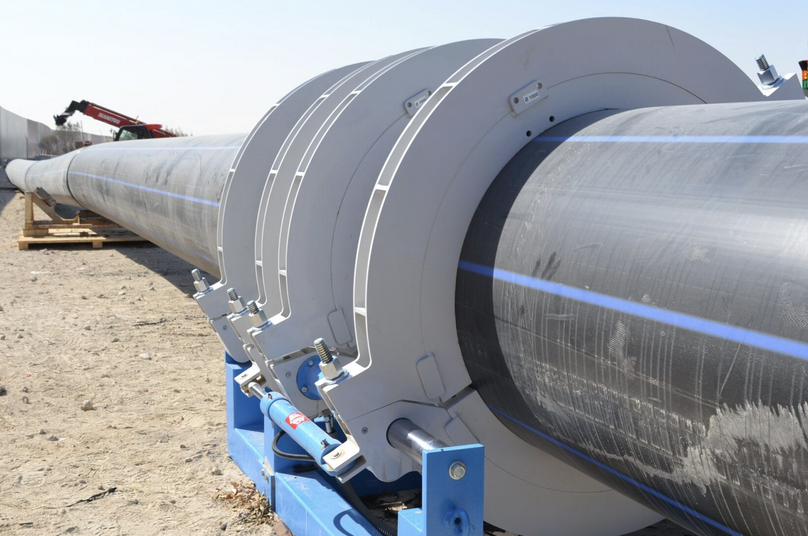
And that’s before considering the technical requirements involved in joining and installing the pipe itself.
The work requires engineering, project management, construction capability, skilled trades and specialist technical knowledge.
As the volume of renewal work increases, so does the importance of having an industry capable of delivering it.