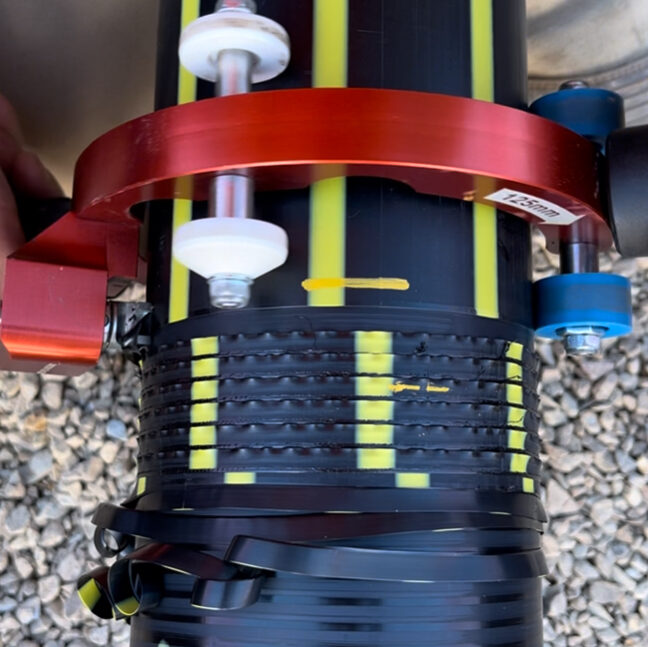
The infrastructure behind the energy we use every day.
Australia’s gas transmission network is a vast piece of critical infrastructure, stretching around 42,000 kilometres across the country.
These high-pressure pipelines transport natural gas from where it is produced to the outskirts of cities and towns across Australia. In fact, every molecule of natural gas used in Australia travels at least part of its journey through a transmission pipeline.
It’s a network most people rarely see – but one that plays an essential role in keeping homes, businesses and industries supplied.
Safety built in
Australia’s natural gas transmission pipelines have a longstanding record of safe operation, supported by rigorous standards covering everything from design and installation through to testing, operation and maintenance.
The standards the govern pipeline safety don’t cut out once a pipeline is operating.
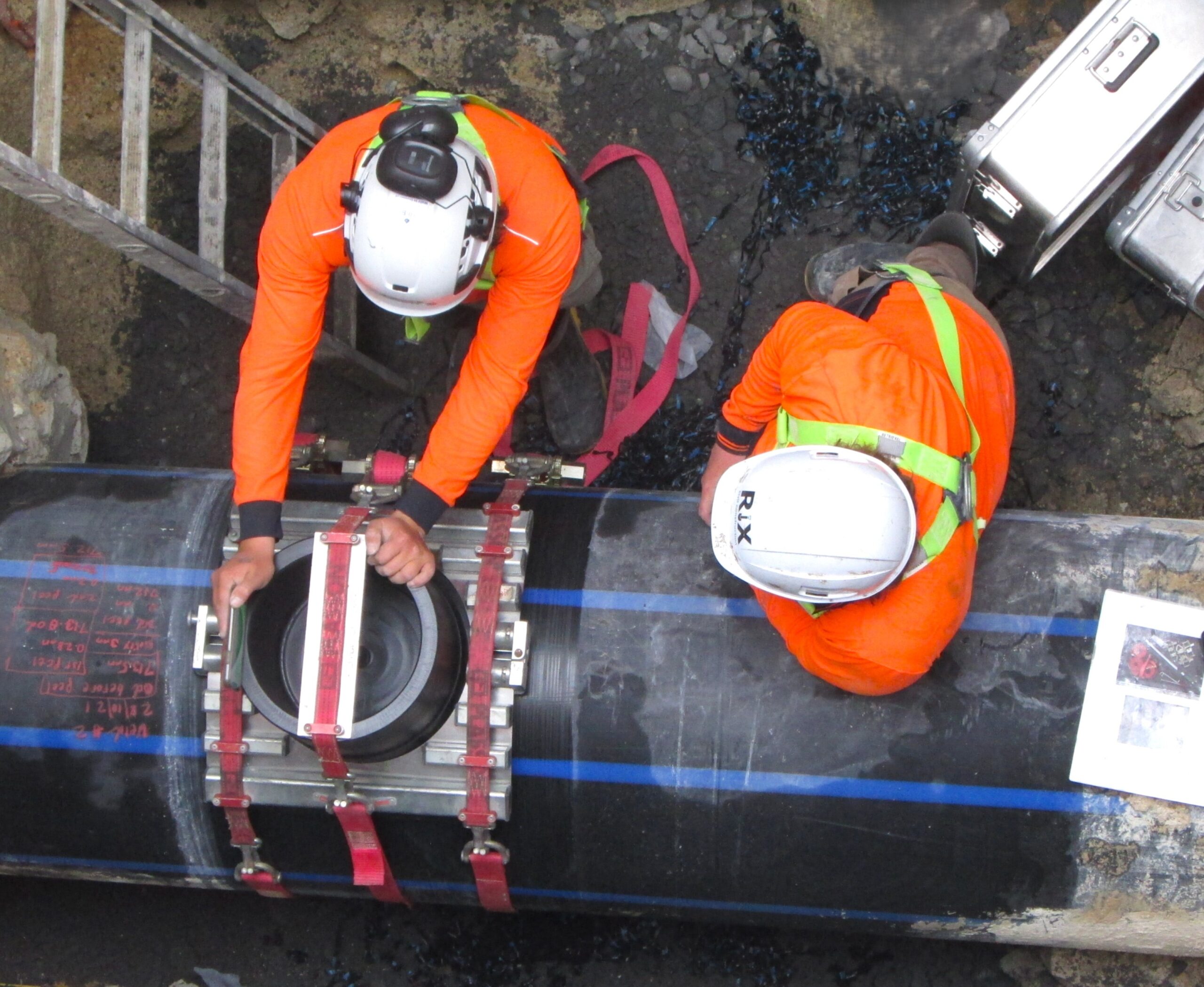
Those that install and continue to work on and maintain polyethylene (PE) pipelines once they are operating need to hold a current Unit of Competency.
One of the key safety principles around gas pipelines is ALARP – As Low As Reasonably Practicable. In simple terms, pipeline operators must work to keep risks as low as reasonably practicable throughout the life of the asset.
That approach matters because no two environments are the same.
Pipeline design takes into account existing and proposed land use, environmental conditions and the specific risks associated with each location.
The result is a safety framework designed around the pipeline’s real-world environment – not a one-size-fits-all approach.
A network with history
Australia’s pipeline story stretches back more than a century.
In the late 1800s, Australia commissioned its first pipeline to transport water to the Coolgardie goldfields. At the time, it was more than ten times longer than any other pipeline in the world – a remarkable feat of engineering for its era.
Pipeline infrastructure continued to evolve.
In 1964, the 306-kilometre Moonie to Brisbane pipeline became Australia’s first pipeline built for oil transportation and, at the time, the country’s longest high-pressure pipeline.
Just five years later, the 440-kilometre Roma to Brisbane pipeline came into operation. It remains Australia’s oldest natural gas pipeline.
Today, pipelines carry far more than natural gas. They are used to transport oil, water, slurry and other liquids, supporting some of the essential infrastructure and industries Australia relies on every day.
Out of sight BUT absolutely essential.
From remote production areas to major population centres, Australia’s pipeline network quietly keeps resources moving.
You may not see the pipelines.
But every kilometre represents engineering, planning, regulation, maintenance and people working behind the scenes to keep critical infrastructure operating safely.
There are a range of skilled operators behind this infrastructure and the industry needs more qualified people for the new projects in the pipeline!