
NATIONALLY ACCREDITED TRAINING
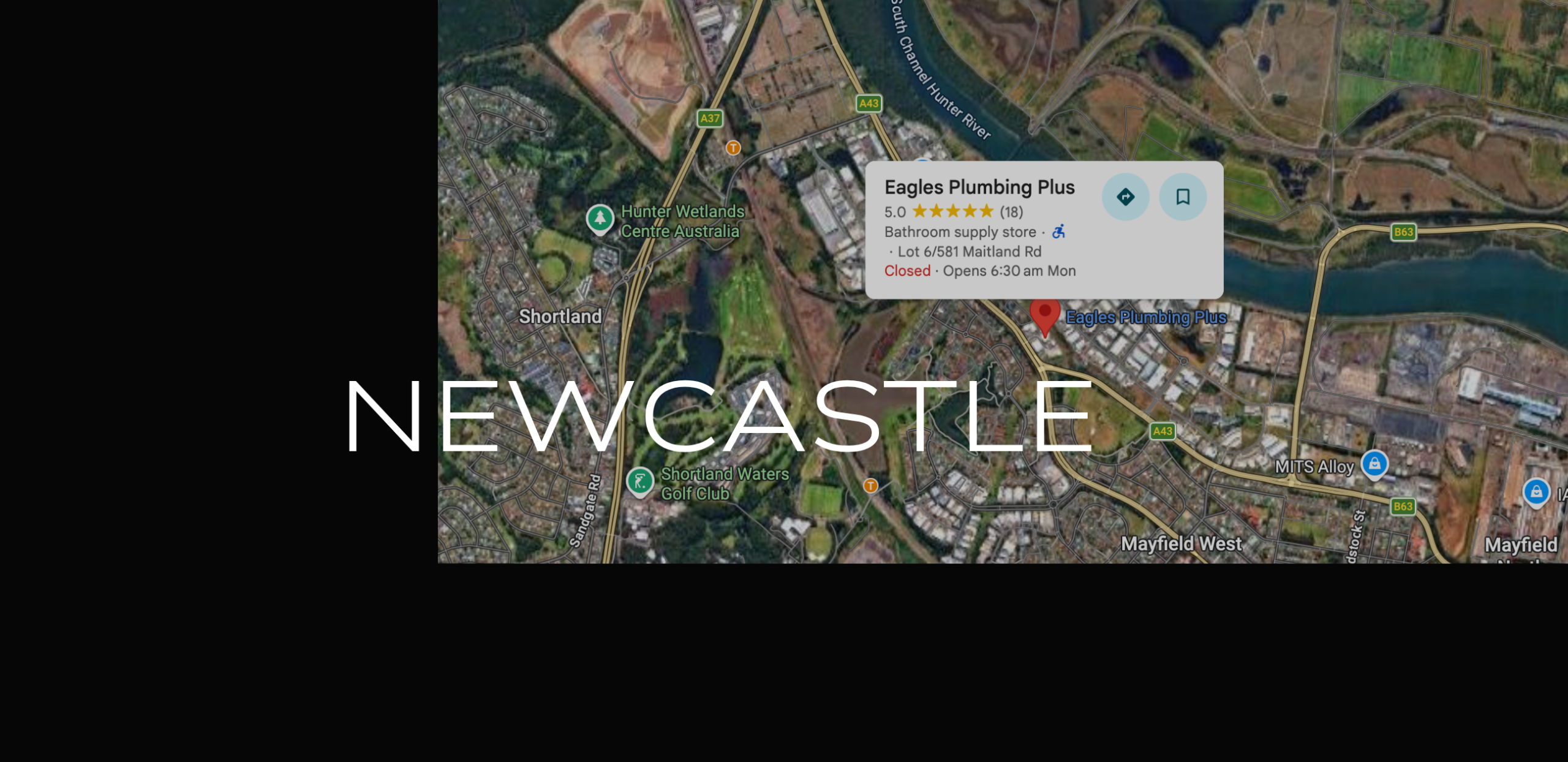
NEWCASTLE | THURSDAY 10 SEPTEMBER 2026
Eagles Plumbing Plus + Plasson PMBWELD302E | 10 September 2026
PMBWELD302E – NEWCASTLE – THURSDAY 10 SEPTEMBER 2026
If you’re working on PE pipelines in Australia you need to complete a nationally accredited Unit of Competency – PMBWELD302E – Join polyethylene plastic pipelines using electrofusion welding. This covers the process for joining PE pipe using fittings embedded with electrical heating elements for precise, reliable connections.
_
Online Theory Modules:
Study at your own pace using any internet-capable device. This module uses video and a multi-choice quiz to prepare installers for the technical aspects of the electrofusion process. There are no long form written answers and all learning material is audio-described to allow students to listen to the content, rather than read, if so desired.
Face-To-Face Training:
This 4-5hr session beings at 9am at Lot 6/581 Maitland Rd, Mayfield West NSW 2304. Students get to perform three EF welds and get hands on experience with the latest in tooling.
PMBWELD302E provides the practical skills and technical knowledge required to join polyethylene (PE) pipelines using electrofusion welding. Used extensively throughout the water, gas, mining and civil construction sectors, electrofusion welding is a critical skill for technicians working on modern pipeline infrastructure.
Eagles Plumbing Plus and Plasson understand how crucial quality training is and have joined forces to host nationally accredited courses around Australia.
Next Steps:
Click the button below to book and pay for your seat on the course.
You will receive an email with an enrollment form to complete.
Once enrolled, students receive a login for the online theory module.
This will take 1-2 hours to complete via a smartphone or laptop.
The theory module must be completed prior to the 5hr face-to-face training session on 10 September 2026.
What you will learn:
• Understanding materials and equipment
Students learn how different thermoplastic materials behave, how to select the correct welding method, and how to set up, operate, and maintain welding equipment safely and efficiently.
• Performing a range of plastic welding techniques
This includes butt welding, electrofusion welding, extrusion welding, and other methods required to meet job specifications. Students practise preparing surfaces, aligning components, controlling temperatures, and completing welds to industry standards.
• Interpreting job instructions and specifications
Learners develop the ability to read and follow technical drawings, plans, and work requirements to ensure welds meet structural, functional, and regulatory criteria.
• Conducting inspections and quality checks
Students are taught how to inspect welds visually, perform basic testing, identify defects, and take corrective action to ensure the weld’s integrity and compliance with workplace or industry standards.
• Applying WHS and environmental procedures
A major component involves understanding and following safe work practices, risk control measures, and environmental responsibilities relevant to plastic welding and pipeline installation.
• Preparing and completing job documentation
Students learn how to accurately record work activities, testing outcomes, and compliance information in line with workplace procedures.
PMBWELD301E equips students with the hands-on capability and professional discipline needed to produce reliable, high-quality plastic welds in real-world field and workshop environments.
Related products
Reviews
There are no reviews yet.