
WHAT IS
PMBWELD301E?
PMBWELD301E
Learn the Skills to Join Polyethylene Pipelines Safely, Competently and to Industry Standards
If you’re working with polyethylene (PE) pipelines in the water, gas, mining, civil construction or infrastructure industries, the ability to produce high-quality butt welds isn’t just a valuable skill- it’s often an expectation of employers, asset owners and principal contractors.
PMBWELD301E – Join Polyethylene Plastic Pipelines Using Butt Welding is the nationally recognised Unit of Competency that equips installers with the practical knowledge and technical skills required to perform butt welding on PE pipelines in both field and factory environments. It is the benchmark qualification for professionals who install, repair and maintain polyethylene pipeline systems across Australia.
Whether you’re an experienced installer looking to formalise your skills or new to polyethylene pipeline construction, PMBWELD301E provides nationally recognised evidence that you can safely and competently complete butt welding operations to industry requirements.
What is PMBWELD301E?
PMBWELD301E is a nationally recognised Unit of Competency from Australia’s vocational education and training (VET) system.
The unit covers the skills and knowledge required to join polyethylene (PE) plastic pipelines using butt welding under controlled conditions. It applies to experienced technicians working independently or as part of a team in industries that rely on PE pipeline infrastructure. The unit supersedes and is equivalent to the earlier PMBWELD301 qualification, reflecting updates to the unit while maintaining its core competency outcomes. (Training.gov.au)
Unlike short awareness courses, PMBWELD301E requires participants to demonstrate competency through practical assessment and an understanding of the complete butt welding process – not simply attend a training session.
What is Butt Welding?
Butt welding is the process of permanently joining two polyethylene pipes by heating the prepared pipe ends until they reach the correct fusion temperature before applying controlled pressure to create a homogeneous joint.
Rather than relying on adhesives or mechanical couplings, butt welding creates a molecular bond between the two pipe ends. When performed correctly, the finished joint is often as strong as – or stronger than – the original pipe itself.
The process requires careful control of:
- Pipe preparation
- Facing and trimming
- Pipe alignment
- Heating temperature
- Drag pressure
- Fusion pressure
- Heating time
- Change-over time
- Cooling time
- Visual inspection
Every stage contributes to the long-term integrity of the pipeline.
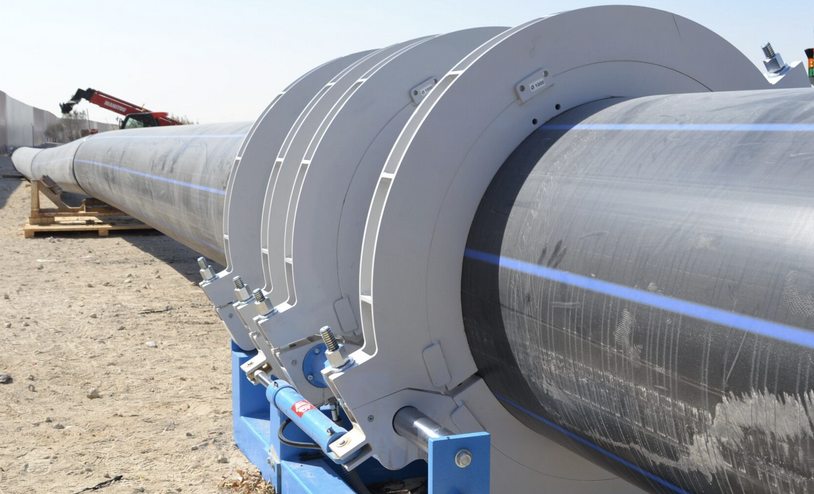
PMBWELD301E
Why is PMBWELD301E Important?
Polyethylene pipelines are increasingly used throughout Australia because they are corrosion resistant, flexible and capable of providing decades of service.
However, those benefits depend on one critical factor:
The quality of every weld.
Poor welding practices can lead to:
- Joint failure
- Water leaks
- Gas escapes
- Environmental damage
- Costly excavations and repairs
- Project delays
- Safety risks
PMBWELD301E ensures installers understand not only how to operate a butt welding machine, but why each stage of the welding process is essential for producing reliable, compliant joints.
What Will You Learn?
PMBWELD301E covers the complete butt welding process from preparation through to inspection.
During training you’ll develop skills in:
Identifying Compatible Materials
Learn how to identify PE pipe materials and ensure compatibility before welding begins.
Calculating Welding Parameters
Understand how pipe size, wall thickness, material type and equipment settings affect the welding process.
Preparing Equipment
Set up, inspect and maintain butt welding machines while ensuring they are safe and suitable for the job.
Performing Butt Welds
Carry out the complete welding process, including:
- Pipe facing
- Alignment
- Heating
- Fusion
- Cooling
- Machine operation
- Safe work practices
Inspecting Completed Welds
Learn how to visually assess weld beads, identify defects and determine whether completed joints meet specification requirements. These outcomes align with the nationally recognised elements and performance criteria for the unit.
How is Competency Assessed?
PMBWELD301E is a practical Unit of Competency.
To achieve the unit, participants must demonstrate they can successfully complete butt welding operations that meet job specifications.
Assessment typically includes:
- Practical demonstrations
- Observation by qualified assessors
- Knowledge questions
- Safe work practices
- Equipment setup
- Weld inspection
- Documentation and record keeping
Assessment focuses on both technical capability and the ability to consistently follow workplace procedures.
Is PMBWELD301E Required to Work as a Butt Welder?
There is currently no Australia-wide licence specifically required to perform polyethylene butt welding. However, the national training unit states that relevant legislation, Australian Standards, industry standards and workplace procedures must still be followed.
In practice, many employers, utilities, principal contractors and pipeline owners require installers to hold PMBWELD301E – or an equivalent recognised competency – before they are authorised to undertake butt welding on live projects.
For many organisations, it has become the benchmark qualification used to verify that installers possess nationally recognised skills.
Holding PMBWELD301E can therefore be an important requirement for working on water, gas, mining and civil infrastructure projects, even where it is not mandated by legislation.
Who Should Complete PMBWELD301E?
This course is ideal for professionals working with polyethylene pipelines, including:
- Civil construction workers
- Pipeline installers
- Water industry personnel
- Gas industry technicians
- Mining contractors
- Irrigation specialists
- Utility contractors
- Maintenance crews
- Poly welding operators
It is equally valuable for experienced workers seeking formal recognition of existing skills.
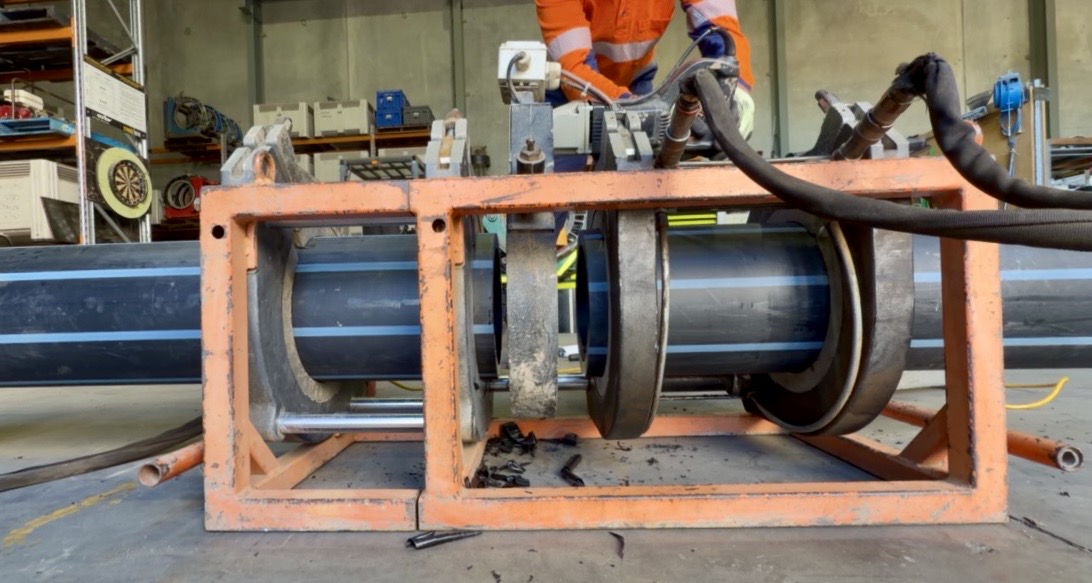
PMBWELD301E
Industries That Commonly Require Butt Welding Skills
Polyethylene pipelines are widely used across:
- Water infrastructure
- Gas distribution
- Mining
- Civil construction
- Irrigation
- Sewerage
- Industrial processing
- Renewable energy projects
- Utilities
- Municipal infrastructure
As PE pipeline use continues to expand, qualified butt welders remain in strong demand across Australia.
Why Choose Nationally Recognised Training?
Completing PMBWELD301E demonstrates that your skills have been assessed against nationally recognised competency standards rather than internal workplace procedures alone.
Benefits include:
- Industry-recognised qualification
- Improved employment opportunities
- Greater confidence on site
- Consistent installation quality
- Improved safety outcomes
- Evidence of competency for employers and clients
- Transferable skills across multiple industries
Train with Lernna
Lernna delivers practical, hands-on training designed for real-world pipeline installation.
Delivered from purpose-built training facilities at Plasson Australia in Larapinta, Brisbane, participants gain experience using industry-leading butt welding equipment, a wide range of polyethylene pipe sizes and genuine fittings in a controlled training environment.
Rather than simply learning theory, you’ll complete practical welding activities under the guidance of experienced trainers who understand the standards, procedures and expectations of today’s pipeline industry.
Whether you’re entering the industry or strengthening your existing skills, Lernna’s nationally recognised PMBWELD301E training provides the knowledge and practical experience needed to perform butt welding safely, confidently and to industry best practice.
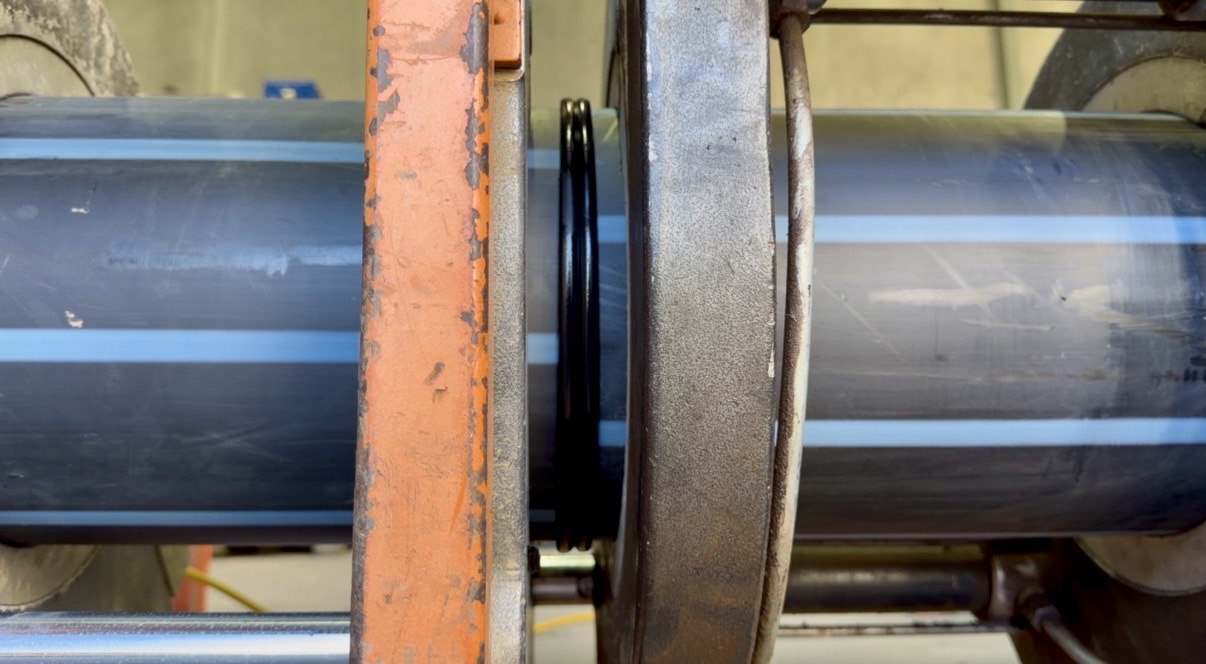
Frequently Asked Questions
Is PMBWELD301E nationally recognised?
Yes. PMBWELD301E is a nationally recognised Unit of Competency within Australia’s Vocational Education and Training (VET) system. (Training.gov.au)
Is there a prerequisite?
No. PMBWELD301E has no formal prerequisite unit, although participants are expected to have the language, literacy, numeracy and practical capability needed to undertake workplace-based training and assessment. (Training.gov.au)
Does PMBWELD301E replace PMBWELD301?
Yes. PMBWELD301E supersedes and is equivalent to PMBWELD301, incorporating updated application, performance criteria and assessment requirements. (Training.gov.au)
Can I use this qualification across Australia?
Because PMBWELD301E is nationally recognised, it is accepted throughout Australia. Individual employers, utilities and asset owners may have additional project-specific competency or verification requirements.