
WHAT IS
PMBWELD302E?
PMBWELD302E: Why It Is Required for PE Pipeline Work in Australia
If you’ve spent any time around polyethylene (PE) pipeline work, you’ve seen the code stamped on certificates, quoted in tender documents, or listed as a prerequisite in job ads: PMBWELD302E. But what is it actually, and why has it become the qualification you can’t avoid if you’re welding PE pipe in Australia?
Here’s a plain-English breakdown of what PMBWELD302E covers, where the requirement to hold it actually comes from, and why it matters more than a stamp on a certificate.
What Is PMBWELD302E?
PMBWELD302E – Join Polyethylene Plastic Pipelines Using Electrofusion Welding – is a nationally recognised unit of competency under Australia’s Vocational Education and Training (VET) system. It sits within the plastics, rubber and cabling industry training package and is administered through Training.gov.au, the national register for VET qualifications.
The unit covers the skills and knowledge needed to join PE pipes and pipelines using electrofusion welding, in both field and factory conditions, for pipelines carrying gas or liquids. It’s built for people who are expected to work with a level of independence and judgement – selecting the correct welding parameters, setting up equipment, performing the weld, assessing the finished joint against specification, and troubleshooting problems as they arise.
Because it’s a nationally recognised unit, a Statement of Attainment issued for PMBWELD302E by any Registered Training Organisation (RTO) in Australia is recognised the same way in every state and territory.
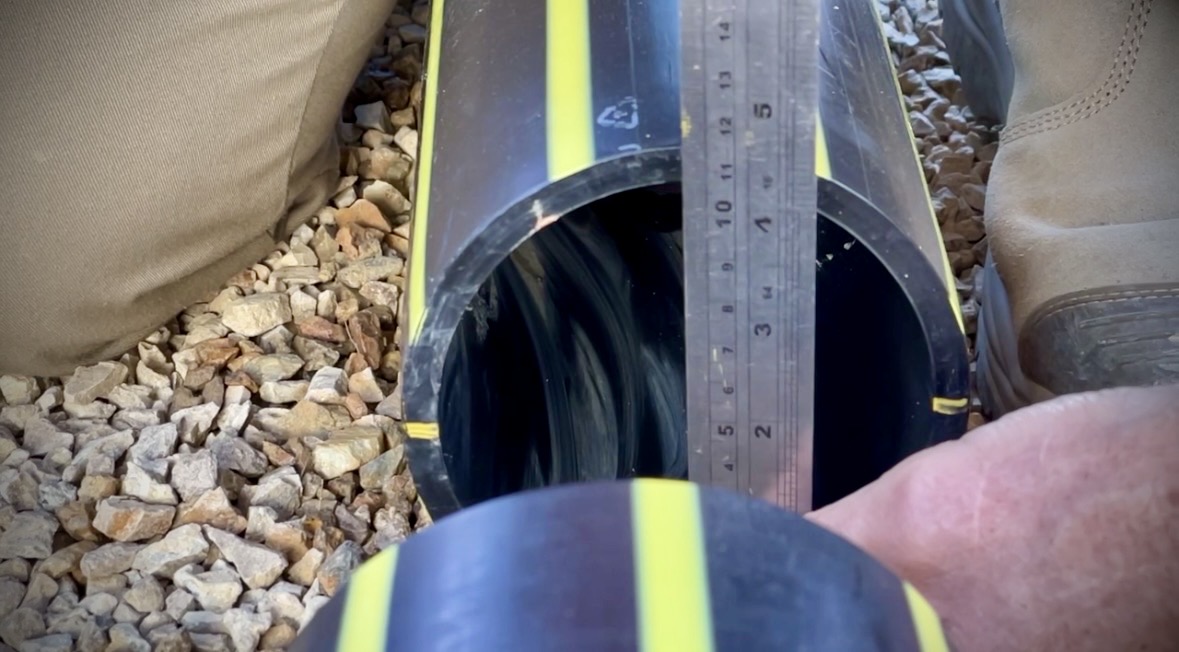
What Training in PMBWELD302E Actually Covers
Completing PMBWELD302E means being assessed as competent across the full electrofusion process, not just “how to use the machine.” That includes:
– Understanding how electrofusion welding equipment and ancillary tools function
– Reading and interpreting job specifications, procedures, and safety data
– Identifying materials and confirming they’re compatible for electrofusion
– Selecting and calculating the correct welding parameters
– Recognising quality standards required at each stage of the process
– Spotting early warning signs of process or product problems – and knowing the corrective action
– Following organisational procedures relevant to the work environment
Assessment isn’t limited to theory. Candidates need to demonstrate these skills in the workplace or in a simulated environment that reflects real working conditions, using actual industrial equipment – not just multiple-choice answers about how a weld cycle works.
Why PMBWELD302E Is Required – Even Without a Government Licence
Here’s the nuance that trips a lot of people up: PMBWELD302E itself doesn’t carry a government licensing or legislative requirement in the way a driver’s licence or an electrical licence does. On paper, nobody is legally barred from picking up an electrofusion welding machine without it.
In practice, though, the requirement comes from a different – and just as binding – direction: the Australian Standards and industry guidelines that govern how PE pipelines are designed and installed.
AS/NZS 2033 – Design and Installation of Polyolefin Pipe Systems – specifies that electrofusion installers must be trained and certified to PMBWELD302E and hold a current installer’s certificate before undertaking electrofusion jointing. This isn’t a suggestion buried in the appendix; it’s a core requirement of the standard that water authorities, gas utilities, and principal contractors design their specifications around.
That’s echoed in industry guidance from the Plastics Industry Pipe Association of Australia (PIPA), which treats current PMBWELD302E certification as the baseline for anyone carrying out electrofusion jointing on pressure pipe.
So while there’s no single regulator handing out fines for welding without it, in practical terms the qualification functions as a hard requirement:
Project specifications for water, gas, and civil infrastructure work routinely mandate it
– Principal contractors won’t put an uncertified welder on a pressure pipeline job
– Asset owners will ask for evidence of current certification during audits
– Tender and prequalification processes commonly require it before a business can even bid
If you’re not certified, you’re not just missing a “nice to have” – you’re locked out of the work that actually requires PE welding.
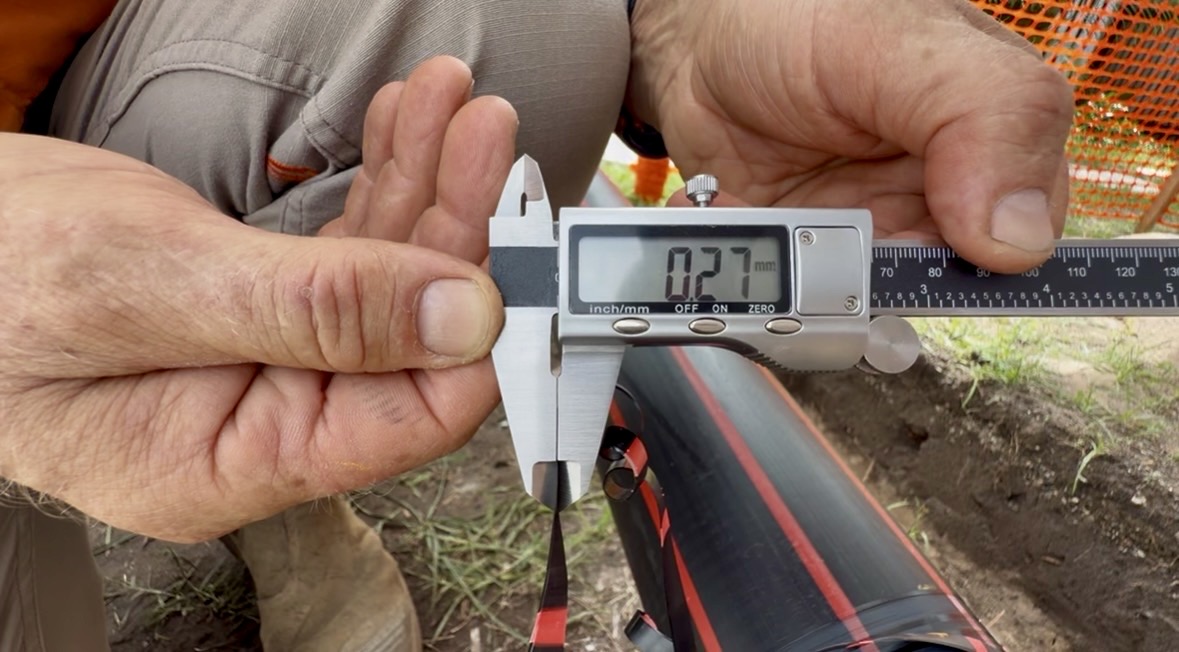
Why the Qualification Matters Beyond the Paperwork
It would be easy to treat PMBWELD302E as a box-ticking exercise – something you get once and file away. But the reason the standard specifies it isn’t bureaucratic. Electrofusion is a process where the strength of the finished joint depends entirely on dozens of small decisions made before and during the weld: correct pipe preparation, contamination-free surfaces, proper alignment, respecting cooling times, and knowing what a problem looks like before it becomes a failure.
A joint that’s welded incorrectly doesn’t always announce itself. It can look complete on the outside and still fail under pressure months later – a leak, a burst, a costly and disruptive repair on live infrastructure. PMBWELD302E exists because “watching someone else do it” isn’t the same as being assessed on whether you actually understand why each step matters.
That’s also why PIPA recommends welders be reaccredited every two to three years – standards, procedures, and equipment evolve, and a certificate from a decade ago doesn’t guarantee current competency.
Who Needs PMBWELD302E?
If your work involves joining PE pipe using electrofusion, this qualification applies to you – including:
– Plumbers working on PE water services
– Civil construction contractors
– Water infrastructure crews
– Gas utility workers
– Pipeline installers
– Mining and industrial maintenance personnel
– Businesses tendering for infrastructure projects
Many installers pair PMBWELD302E with PMBWELD301E (butt welding), since project specifications often call for both jointing methods depending on pipe size and application.
Getting Certified in PMBWELD302E with Lernna
Lernna is a Registered Training Organisation delivering nationally recognised training in PMBWELD302E, alongside PMBWELD301E, through a blended learning model – online theory paired with hands-on practical assessment using industry-standard electrofusion equipment.
Training runs in Brisbane, Sydney, Melbourne, and Perth, so you can get certified without disrupting a project schedule any more than necessary.
Whether you’re getting certified for the first time, due for reaccreditation, or building out a qualified team ahead of a tender, holding current PMBWELD302E is what lets you say yes to PE pipeline work – not just do it.